
JBL Partybox 130: https://geni.us/GC-JBLPartybox130
JBL Partybox 120: https://geni.us/GC-JBLPartybox120
JBL Easy Sing Mics: https://geni.us/GC-JBLEasySingMics
JBL Partybox Mics: https://geni.us/GC-JBLPartyboxMic
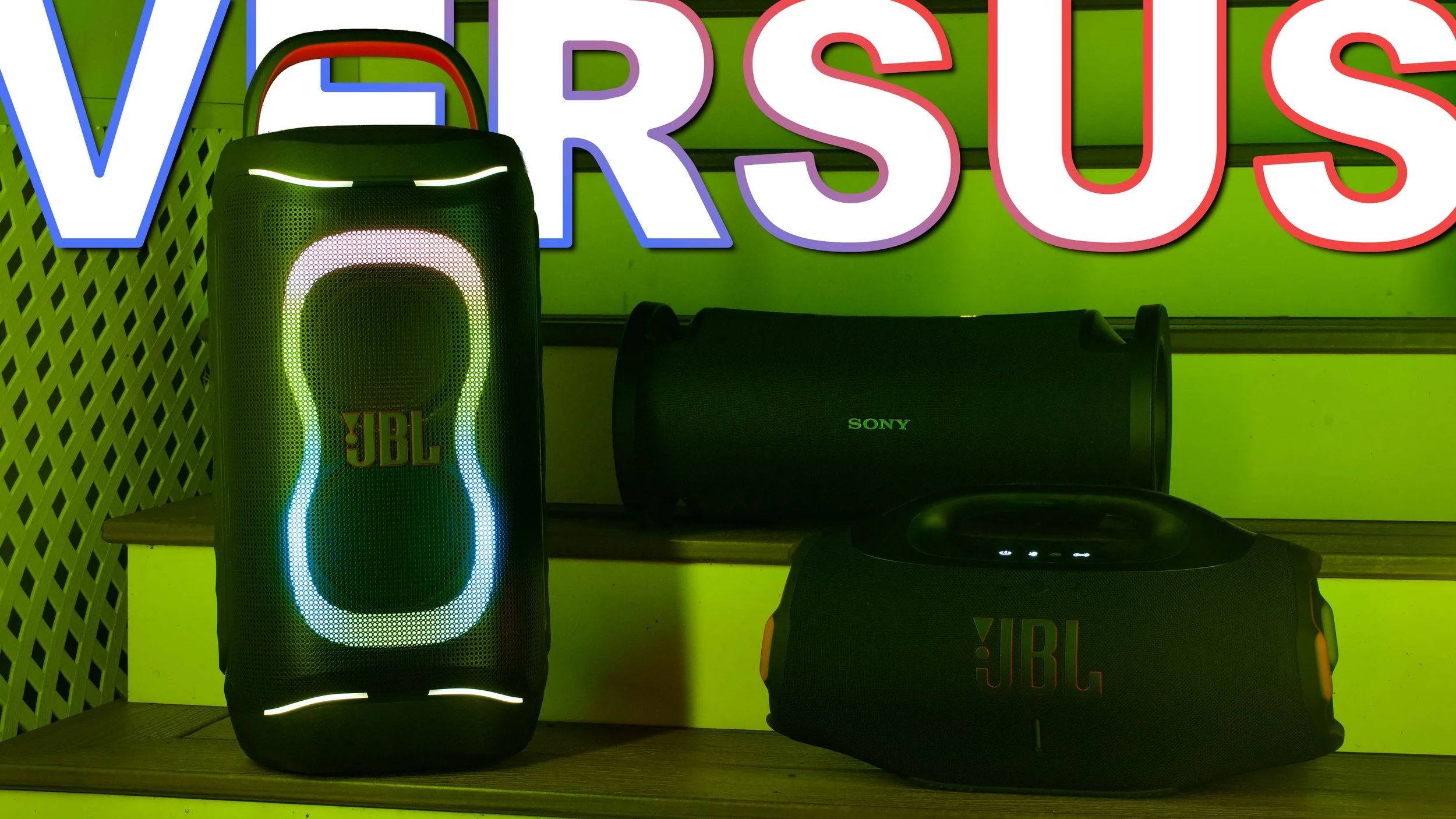
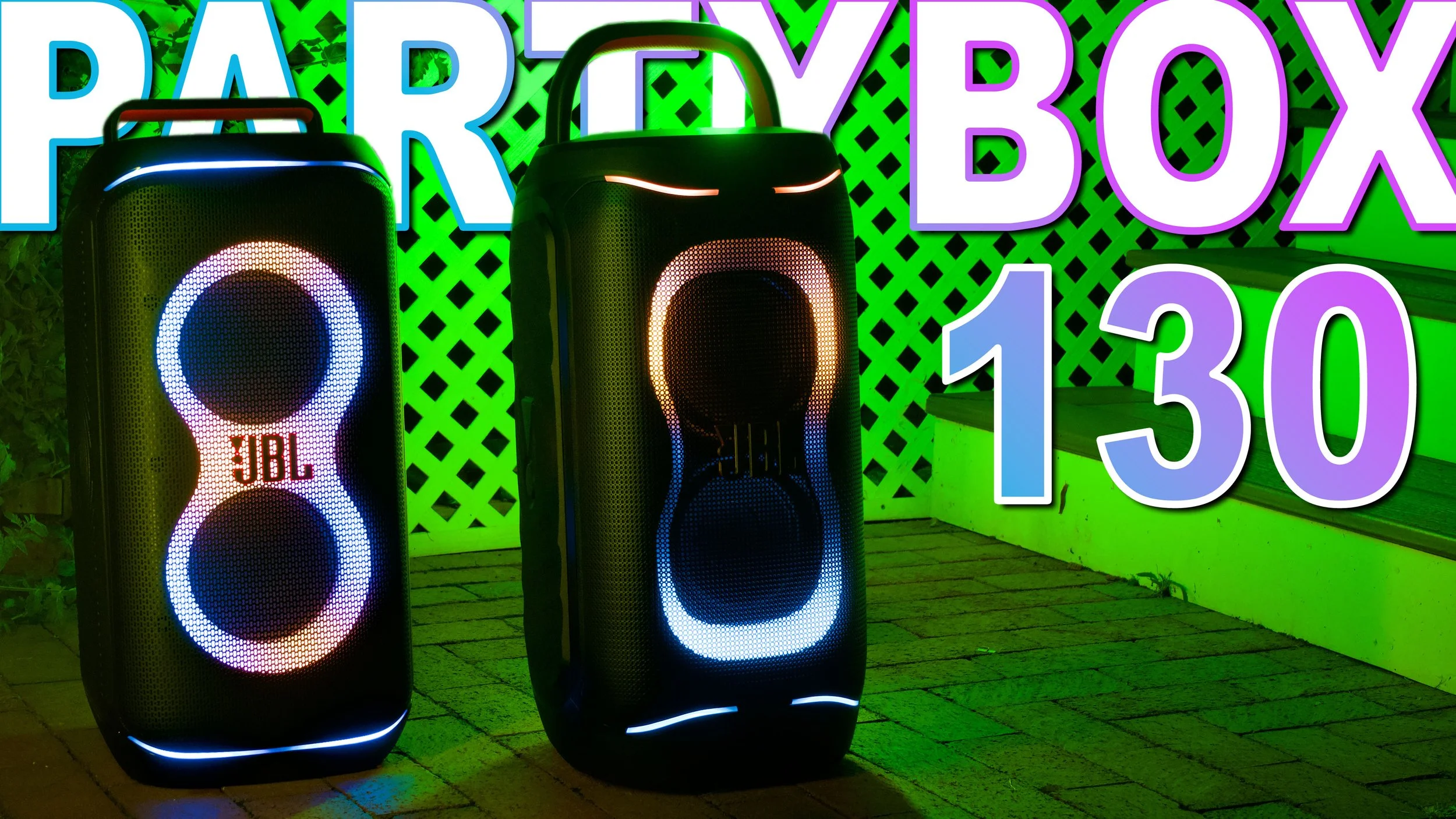
JBL PartyBox 130 Review: Worth the Upgrade From the 120 or 110?
The JBL PartyBox 130 has hit shelves much sooner than expected. Just like its larger sibling, the 330, this mid-sized speaker brings highly anticipated feature upgrades to the table. However, it also introduces several design choices that might leave fans scratching their heads.
Despite some awkward aesthetic changes, the PartyBox 130 remains one of the absolute best mid-sized portable box speakers available today. In this hands-on JBL PartyBox 130 review, we will break down its price, design quirks, battery life, and connectivity to see if it is truly worth upgrading from the JBL PartyBox 120 or the older JBL PartyBox 110.
Price and Availability
The JBL PartyBox 130 enters the market with a retail price of $450. This marks a notable price hike over the original launch prices of both the 120 and 110 generations.
Despite the higher sticker price, JBL speakers are known for regular promotional discounts. If you are looking to buy one, use the links or tap the shopping button below to track current pricing.
Design and Portability: A New Look
While all three iterations occupy the mid-sized category, the PartyBox 130 has grown slightly in size and footprint:
Weight: It tips the scales at 24.8 pounds, making it just 0.4 pounds heavier than the PartyBox 120.
Portability: The minor weight difference does not hurt its portability. It remains an incredibly easy speaker to carry around solo.
The Handle: JBL redesigned the built-in carrying handle for the 130. However, the new handle looks a bit ridiculous and bulky compared to the sleek, integrated handle found on the PartyBox 120.
Note on Durability: The build features a soft plastic body prone to easy scratching and a thin front metal grille that can dent if bumped. It retains an IPX4 splash-proof rating, meaning a light outdoor drizzle is perfectly fine as long as the rear rubber port panel is closed tightly. A standard speaker pole mount remains on the bottom for easy elevation during events.
The Digital Control Panel: Futuristic but Flawed
Following the blueprint of the premium 330, the PartyBox 130 trades physical buttons for a digital dial featuring an integrated screen.
While it looks advanced, the daily user experience takes a step backward:
Menu Drudgery: You can press the screen to play/pause and rotate the outer dial to adjust the volume. However, adjusting your light modes or tweaking the microphone gain requires cycling through digital menus on the small screen.
Tactile Loss: The physical control panel layout on the PartyBox 120 is vastly superior because it relies on instantaneous, tactile knobs.
Durability Risks: Introducing a digital screen to a rugged party speaker adds a fragile failure point during transport or if water pools on the top panel.
Neither the 120 nor the 130 has dedicated physical sliders to adjust mic bass, treble, or echo directly on the frame (you must use the JBL mobile app for deep audio mixing). However, the 130 does gain physical latch points to securely hook up and carry JBL's Easy Sing wireless microphones.
Light Show: A Surprising Downgrade
JBL is famous for setting the industry standard for dynamic light shows, but the styling on the 130 falls short.
While it remains vibrant and fully compatible with the JBL app and external Partylight accessories, the actual pattern looks worse than previous generations. It drops the clean design lines of the 120 and doesn't feature the advanced visual highlight accents found on the larger 330.
The older JBL PartyBox 110 actually features a cleaner, more attractive light show than the 130. JBL should have kept the 120’s faceplate styling and simply added ground-projecting floor lights similar to the top-tier PartyBox Ultimate.
Real-World Battery Life and Swappable Cells
JBL claims an advertised battery life of 15 hours for the PartyBox 130. However, this figure is highly optimistic and likely measured at a very low 15% volume baseline.
For context, the 130 uses the exact same JBL 200 Battery found in the PartyBox 120, which is advertised at 12 hours of playback at 25% volume with all lights and bass boosts turned off.
Real-World Testing Parameters
Continuous Playback (65% Volume, Lights ON, Bass Boost ON): The PartyBox 130 delivers roughly 6 to 7 hours of continuous playtime.
Stamina Comparison: The legacy PartyBox 110 holds its ground slightly better, pushing a solid 7 hours under identical conditions. This is because the 110 utilizes a slightly larger 36-watt-hour battery compared to the 34-watt-hour cells found in the 120 and 130.
Swappable Battery Ecosystem
The saving grace for the 130 is its user-replaceable, hot-swappable battery design. If you run out of juice, you can slide a fresh pack in to keep the party moving. It also preserves your financial investment over time; when the cell eventually degrades, you only need to purchase a replacement battery rather than an entire speaker.
The JBL 200 Battery allows you to mix and match packs seamlessly between the PartyBox 130, PartyBox 120, PartyBox Encore 2 Premium, and PartyBox On-The-Go 2.
Missed Opportunity: It would have been a massive victory if JBL had upgraded the 130 to accept the larger JBL 400 Battery (used by the 320 and 330 series). This would have doubled the mid-sized speaker's physical stamina and streamlined cross-device battery sharing.
Charging and Major Port Upgrades
The speaker charges via a standard double-barrel AC port and thankfully still packages the AC power cable in the retail box—a relief given JBL's recent trend of removing cables from select models globally.
Plugging the speaker into a wall outlet bypasses battery restrictions, unlocking a performance boost that makes the speaker noticeably louder with deeper bass hit delivery. The battery pack must remain inside the chamber even when running on wall power.
The rear connectivity panel features an illuminated backdrop for easy visibility in the dark and brings two massive upgrades over the 120:
FeatureJBL PartyBox 130JBL PartyBox 120TV ConnectivityOptical Port (Can function as a high-powered living room soundbar)NoneModern USBUSB-C Port (Supports wired connections, device charging, and flash drives)USB-A Only Daisy Chain3.5mm Audio Out (Universal syncing across brands and sizes)3.5mm Audio OutInputsDual 1/4" Microphone/Guitar InputsDual 1/4" Microphone/Guitar Inputs
Note: The speaker does not include an optical cable in the box, so you will need to supply your own to hook it up to a TV.
Final Verdict: Should You Upgrade?
The JBL PartyBox 130 is an incredibly capable machine, but it isn't a mandatory upgrade for everyone.
If you own a PartyBox 110: The jump to the 130 is highly worth it for the illuminated port selection, the inclusion of a hot-swappable battery system, and the modern USB-C and optical audio inputs.
If you own a PartyBox 120: Hold onto your speaker. Unless you specifically require an optical port to connect your speaker to a television, the 120 offers a cleaner design, more intuitive physical knobs, and a better light show layout for the exact same real-world battery performance.
So just like the JBL PartyBox 330, the JBL PartyBox 130 is here much sooner than I expected. And just like the JBL PartyBox 330, there are some important upgrades on the JBL PartyBox 130… but there are some changes on the JBL PartyBox 130 that I don’t like. But regardless, the JBL Partybox 130 is still one of the best Mid sized box speakers that you can get and you can’t go wrong with this speaker. So lets see what the JBL Partybox 130 is all about and lets see if its worth upgrading if you already have the JBL Partybox 120 or the JBL Partybox 110.
Regarding pricing, the JBL Partybox 130 has a retail price of $450, which is a price increase from both the JBL partybox 120 and JBL Partybox 110 when they first came out. But nonetheless, I do expect this speaker to go on sale on a regular basis. So if you want to pick this speaker up it’ll be linked down below, or you can always press on the YouTube shopping button, and if you want to further support the channel then you can always watch some of the related videos in the description down below.
Now first theres the design of these speakers. Now all of these speakers are mid sized speakers… however the JBL PartyBox 130 is a little larger and a little heavier than the Partybox 120, weighing in at 24.8 pounds, .4 pounds heavier than the 120. Now is this a big deal? Absolutely not. All of these speakers are equally as portable and all of these speaker have built in carrying handles. However, I think the carrying handle on the Partybox 130 looks redicuiouls compared to the 120’s smaller and sleeker carrying handle. But durability wise, all of these speakers are the same, they all have a mostly soft plastic body which can get scratched very easily, they all have a thin metal grill on the front which can get dented very easily as well, and they are all rocking an IPX4 rating so some water will be just fine, like from a light drizzle, but you do want to make sure that you have the port panel on the back closed.
But then there’s the control panels on these speakers, just like the Partybox 330, the 130 has a new dial up top with a built in screen. Now you can play and pause your music by pressing this screen in and you can adjust your volume by rotating the dial. However if you want to adjust your light feature or if you want to adjust the gain of your mic… you’re going to have to cycle between your menus on the screen. So overall the usability of this new control panel isn’t good as the usability on the control panel on the 120 which just has knobs. Now unlike the partybox 320 or larger, the 120 doesn’t have dedicated dials to adjust the sound of your mic, if you want to adjust your bass, treble or echo either on the 120 or 130, you still have to open up the app… but regardless, I prefer the physical control panel on the 120 over the 130 cause still the usability on the 130 isn’t as good, and I do question the durability of this screen. Personally, I think the 130 looks very ugly compared to the 330 and especially the 120… the only good thing design wise about the 130 is that it now has latch points so that you can carry your easy sing mics if you choose to get them… and just like before, the 130 still has a speaker stand mount on the bottom.
And then there’s the light feature on this speaker, now just like before, the light feature on the 130 is very dynamic and its very impressive. And through JBL’s app you can go in and choose from a few new light modes which are exclusive to both the 130 and 330, and you can also build out your light feature with JBL’s Partylights if you want. However I think the light feature on both the 130 and 330 are a down grade when compared to the 320 and 120… and the 130 is even more of a down grade cause it doesn’t even have the high lights found on the 330. Like I mentioned in the 330’s full review, I think the 130 should have just kept the same design as the 120, and instead just add some floor lights similar to the floor lights found on the JBL PartyBox ultimate. And for comparison sake, I actually think the light feature on the JBL PartyBox 110 looks better than the 130 as well. Like who ever draw up the 130, get them out.
And then there’s the battery life on this speaker… now JBL claims that the Partybox 130 has an advertised battery life of 15 hours… but im assuming that’s with this speaker playing at 15 percent volume or something, cause the JBL PartyBox 130 is using the same JBL 200 battery as the JBL PartyBox 120. And with the JBL PartyBox 120, this speaker has an advertised battery life of 12 hours and that’s with it playing at 25% volume which is decent for ambiance and that’s with the light feature turned off and with the bass boost turned off as well.
And real world use with the 130 playing at 65% volume, which is feel is decent for when you’re with friends, with the light feature turned on and with the bass boost feature turned on, its good for about 6 to 7 hours of playback time… which is good, but the 110 has little more stamina than both the 130 and 120 cause under the same circumstances its good 7 hours… and I feel that the 110 has slightly more stamina cause it has a 36 watt hour battery versus a 34 watt hour battery like on these newer speakers.
Now with both the 130 and 120, you can quickly and easily swap out the battery on the 330, which is good cause you can either get multiple batteries and keep the party going… or if you get to a point where your battery can no longer hold a charge, instead of having to buy a new speaker you can just buy a new battery, which is good for the overall life of your investment.
Now like I mentioned earlier, the 130 is using the same JBL 200 battery as the 120… so if you want you can mix and match batteries between these two speakers or you can mix and match batteries with the JBL PartyBox Encore 2 Premium or with the On The Go 2. But personally I think it would have been better if JBL upgraded the 130 to use the JBL 400 battery so that you could mix and match with your Partybox 320 or 330, or Xtreme 4 or Xtreme 5… and this would have also given the 130 double the battery life.
And when it comes to charging this speaker, it charges via a dual barrel AC port, and it also comes included with a charging cable… which I know sounds super basic, but I do have to point it out cause a lot of JBL’s newer speakers are no longer coming with charging cables depending on the model or even the region that youre in, which is wild. But with all of these speakers, if you were to use them while they are plugged in, you are going to get a performance boost out of them, they are going to get louder and they are going to have more bass. And even if you’re going to use this speaker while its plugged in, the battery does have to be installed.
Now when it comes to ports, for starters, just like the 120, this panel is illuminated, which is a nice touch, and its something that you don’t see all that often on other speaker brands out there. Now the 130 still has an audio jack so you can till use it with a wired connection, and it also has an audio out jack, which is great cause you can always daisy chain it up to any other speaker regardless of size or brand and get them to play in sync.
But a major big upgrade on the 130 is that it now has an optical port, so if you want you can always hook up this speaker to your tv and use it as a soundbar… making it more versatile. The only thing is, this speaker doesn’t come included with an optical cable, you're going to have to get your own. And another big upgrade on this speaker is that it now has a USB C port, which you can use as a wired connection as well, and you can also use it to charge your own devices and you can also play music off of it if you really want to.
And just like with the 120, the 130 still has dual 3 quarter inch inputs, so you can plug in two wired mics if you want for karaoke… or you can also plug in a guitar… however I do have to point out that unlike the Partybox 520… the 130 doesn’t have XRL combo jacks… so you can’t plug it into a mixed like you can with JBL’s 520 or 720… but you can still connect it to your mixer via the audio jack.
Now like I mentioned earlier, if you want to adjust the sound of your mic, youre now going to have to open up JBL’s app… which is the same for the Partybox 120, but form the app you can adjust your Bass, treble and you can add an echo if you want.
Or if you want you can also use JBL’s easy mics which are also wireless, but the easy sing mics also give you an AI vocal removal tool, which is super usful for lots of karaoke… however if you use the AI Vocal removal tool on the easy sing mics, then you won’t be able to turn on aura cast and you won’t be able to turn on bass boost. But for those curious… yes you can use an easy sing mic and partybox mics at the same time, and have all four mics going.
Now if you were to use the Partybox Mics, you will be able to turn on aura cast and bass boost… however even if you have your speaker is paired up to any other speaker… your mic audio will only come out of the speaker where your mic is connected.
But with the easy sing mic, you can still daisy chain your speaker up to any other speaker, so you’ll still be able to get 2 speakers playing in sync… and your mic audio will play out of both speakers as well… so just keep that small hack in mind. But I do want to point out that in order for your easy sing mics to work with your speaker… you do have to make sure that your USB C port is in the correct mode, I know, its a little annoying.
But now lets talk about sound, and well, all three of these speakers are the same. They all have dual frontward firing woofers with an exhaust port that shoots out the back and they all have dual frontward firing tweeters. Now there’s nothing wrong with this speaker set up, but I was really hoping that JBL would start to introduce at least one mid driver so that we could have better instrument separation in the mids like with the JBL Ultimate. But regardless with all of these speakers you do have their bass boost mode, and personally I think deep sounds best cause rumble does get a little overwhelming… and through JBL’s app you can go in and adjust their EQ as well. But now we’re going to jump into the sound test… now all of these speakers are playing it 75% volume with their stock EQ’s, they’re all playing with bass boost set to deep and they are all playing while unplugged
Soundtest
Now, unlike the Partybox 330 vs Partybox 320… where I feel the Partybox 320 manages to out perform the Partybox 330… the Partybox 130 does have a noticeable performance boost over the partybox 120. Now with all of these speakers, they have a filly dynamic sound signature, they put an emphasis on the mids so vocals are very prominent, and the bass comes in hard when it has to. And since all of these speakers have an exhaust port that shoots out the back, you can always amplify their bass by simply placing them against a wall. Now the Partybox 130 sounds very similar to the Partybox 120… however the 130 does have noticeably more sound pressure, which means this speaker gets louder. Now I think all of these speakers are going to be good for like a 10 to 15 person party… but the 130 does get noticeably louder than the 120, and the 120 gets noticeably louder than the 110. So if you already have the Partybox 110, if you upgrade to the 130, you’re going to notice a big performance boost. And like I mentioned earlier, if you were to use these speakers while they are plugged in, you are going to get a performance boost, they’re going to get louder and they are going to have more bass. So even though I think the Partybox 130 looks ugly compared to both the 120 and 110… it is a solid sound upgrade unlike the 330 compared to the 320.
But finally lets talk about pair these speakers up with other speakers. Now if you have two of the exact same speakers then you can wirelessly pair them up and get them to play in left and right stereo mode, however they have to be two of the exact same speakers, you can not get a 120 and 130 and get them to play in stereo mode.
Now like I mentioned before, the 130 is using aura cast, just like with the 120… so you can always pair it up to any other JBL speaker that also using aura cast like lets say a JBL Partybox encore 2, or to a Partybox 120, 130, 320, 330, 520, 720 or to an ultimate and get them to all play in sync… or you can also pair them up to any of JBL’s smaller more portable speakers that are also using aura cast like lets say a JBL Boombox 4, Xtreme 5, Xtreme 4, Charge 6, flip 7, clip 5, a grip or Go 5 and get them to play in sync as well.
But unfortunately, with the Partybox 130, you can not pair it up to any of JBL’s older partybox speakers that are using TWS like lets say a Partybox encore or a 110, 310 or 710. Although the partybox 120 still has that backwards compatibly cause it still uses the JBL Partybox App, where as the 130 use the JBL One… JBL is great at creating useless fragmentation… and you can not pair up your 130 up to any of JBL’s older speakers that are using partyboost. but like I mentioned earlier, the 130 still has that audio out jack so you can always daisy chain it up with any other speaker and get them to play in sync if you have a spare audio cable.
But with all of that being said, even though I think the JBL PartyBox 130 looks incredibly ugly when compared to both the 120 and 130, and I do not like the new digital dial up top… the JBL PartyBox 130 does have a noticeable performance boost over the JBL PartyBox 120… plus it also has the new USB C port which is super useful especially for a mid sized box speaker like this and it also has the optical port, making it more versatile. Now even though I think the 130 should have been upgraded to the JBL battery 400… the JBL PartyBox 130 is one of the best mid sized box speakers that you can get. But if you already have a JBL PartyBox 120… I don’t think that you should run out and upgrade and you shouldn’t feel any Fomo. But if you do do the jump from the 110 to the 130… you’re going to be happy that you did.