




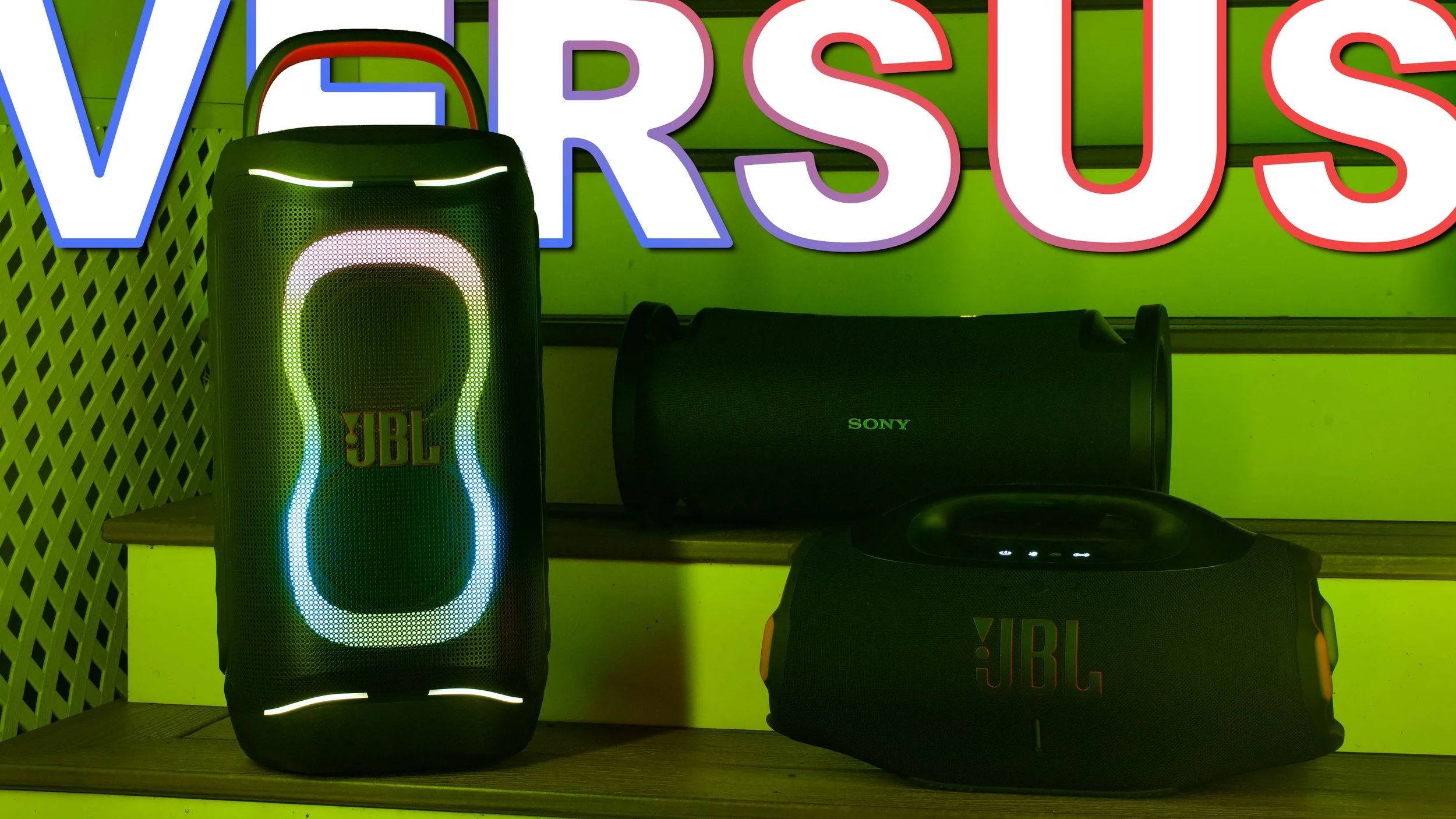
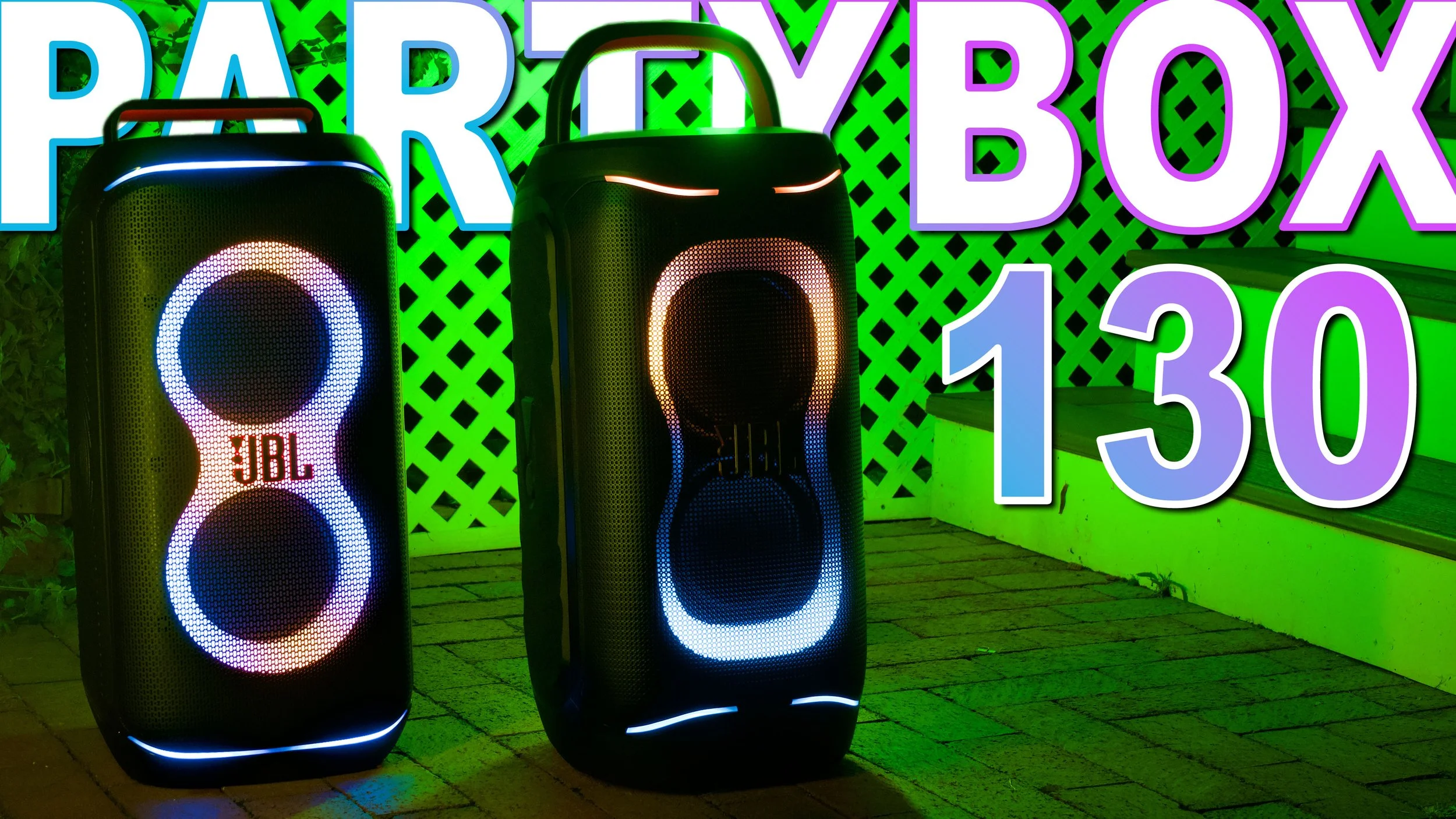
So this is the Bose S1 Pro, and this is a speaker thats better left to the professionals than plan on using their speaker with a microphone, some type of instrument, or a mixer on a regular basis… probably for work. But if you’re a causal user looking for a small box speaker than you’re probably going to be better off with either the JBL Partybox 120 of the Sony XV500. And even if you’re a pro, maybe you’ll might like either of these two options better than the Bose. Nonetheless, lets see how the Bose S1 Pro plus stacks up to both the JBL Partybox 120 and the Sony XV500 and lets see which one is right for you.
Regarding pricing, this is one of the key reasons why im making these videos on the Bose S1 Pro, this speaker has a retail price of $700, which is a lot. Now this speaker gets super loud for its size and you’ll see in a minute, but this speaker is better left for the pros. Where as both the JBL Partybox 120 and Sony XV500 are much more consumer friendly and they have a retail price of $400 and they like to routinely go on sale. Nonetheless if you want to pick any of these speakers up they’ll be linked down below or you can always press on the YouTube shopping button, and if you want to further support the channel than you can always pick up some merch.
So first theres the design, the Bose is actually impressively small for how loud it gets. Its has a built in carrying handle and it weighs in at 14 and a half pounds. However, this speaker isn’t super durable and its not water resistant cause all of its ports are easily exposed. Where as with this other two speakers, yes they’re larger and heavier, but they’re still relatively easy to take on the go with you and they’re both water resistant cause their ports are all sealed off. Plus these other two speakers have the added benefits of built in light features, however JBL’s light feature is a lot more dynamic than Sony’s light feature… but nonetheless both the JBL and Sony bring an extra dynamic that the Bose just doesn’t have.
Now when it comes to power, all of these speakers have a built in battery. Now the Bose has an advertised battery life of 11 hours where as the JBL has an advertised battery life of 12 hours. However, this advertised battery life of 12 hours on the JBL is with it playing at 20% volume and with the bass boost turned off and with the light feature turned off, which is good for like ambiance. And real world use with it playing at 65% volume which is good for a crowd, with the bass boost set to deep and with the light feature turned on, its going to be good for about 7 hours.
but then theres the Sony which has an advertised battery life of 25 hours, However, this advertised battery life of 25 hours on the XV500 is with it playing at 36% volume which is good for like ambiance, with the light feature turned off but with its mega bass feature turned on. And if you were to use this speaker with its light feature turned on, then its going to have an advertised battery life of 12 hours. But 36% on the Sony is like the JBL playing at 20%.
And real world use if you were to use the Sony at 80% volume, then its going to be good for about 8 hours of playback time. But keep in mind, you have to use the Sony at a higher volume than you would the JBL cause the Sony doesn’t get as loud when its running off of its internal battery. But overall, I do feel that the JBL has the better performing battery here cause you dont have to use it higher volumes like you do with the Sony.
But then when it comes to chargning these speakers, both the JBL and the Sony charge via a double barrel AC cable, which I personally really like cause I feel that these cables are much easier to plug in and they’re super common and really easy replace. Where as with the Bose, it charges via a 3 prong AC port and it has a ground, so I feel that this cable is less common than the cable that comes with these other two speakers.
But the main feature that really makes the JBL special here is that you can swap out its battery. Which is great for two things, either you can get multiple batteries and keep the party going if you’re somewhere where you cant plug in… or if you get to a point where your battery can no longer hold a charge, then you can just replace your battery instead of replacing your whole speaker, and this is just great for over longevity of your investment.
But then there are the ports on these speakers, with all of these speakers you can easily plug in two microphones if you want for karaoke, and both the JBL and Sony, you can plug in a guitar if you want. However with the Bose, you can plug in 2 guitars if you want… but more importantly, it has 2 XLR inputs so you can plug in a mixer if you want…
Now with the bose you can very quickly and very easily adjust the sound of your mic directly from the speaker it self, where as with the JBL you have to open up the app, and with the sony you cant adjust the treble and bass but you can adjust the echo. Nonetheless, both the JBL and Sony are going to be great options if you want something to do karaoke with your friends and family. Where as with the bose its going to lean more towards the pros that want to connect a proper mixer.
Now with all of these speakers they can be used with a wired connection if you want… but the JBL also has an audio out jack making it super easy to daisy chain any other speaker with this speaker by just using any audio cable and get your speakers to play in sync. Now the Bose also has a line out so you can connect it to another Bose S1 Pro, but thats going to require an XLR connection.
But finally, all of these speakers can be used with Bluetooth and latency is not an issue for any of these speakers so you can use them to watch videos with on your phone.
But with all of that out of the way, lets talk about sound. Regarding speaker set up, the Bose has a single woofer with exhaust ports that shoot out the front and it has a total of 3 drivers which are stacked on top of the woofer. And this speaker gets very loud for its size, but just cause it gets loud it doesn’t mean that it sounds good. Where as both the JBL partybox 120 and sony XV500 have dual frontward firing woofers and dual frontward firing tweeters. Except with the Sony the exhaust port shoot out the front giving it a more balanced neutral sound and the with the JBL the exhaust port shoots out the back which gives it more physicality and you can increase the bass on this speaker by simply placing it up against a wall.
But now we’re going to jump into the soundtest. Now all of these speakers are playing at their 75% volume… and with the Bose you’re going to see that its a lot louder. But the bose is playing with its table decreased and bass increased cause it leans towards a very bright sound signature. And the JBL is playing with its bass boost set to deep and the Sony is playing with mega bass turned on.
Soundtest
So like you may have just seen, the Bose gets super loud. But just cause it gets loud its doesn’t mean that it sounds good when its playing music. The problem with the Bose is that it leans towards a bright sound signature and it doesn’t have all that much bass. And when it does start to put out bass, then the bass really bottoms out very quickly. Where as these other two speakers dont get as loud as the bose, but they sound a lot better cause they sound more balanced and more open, but more importantly that actually have bass. And when it comes to max volume performance, with both the JBL and sony, if you use them while they’re plugged in you’re going to get a performance boost out of them. They’re going to get louder and therye going to have more bass. And when the Sony is plugged in, its almost on the same level as the JBL. But even when these speakers are plugged in, they still dont get anywhere near as loud as the bose. However, at max volume the Bose just sounds like it screeching where as these other two speakers actually sound good. Overall, if you plan getting a box speaker I much rather recommend either of these two speakers over the bose cause they sound a lot more balanced, open and they actually have bass. And their max volume performance is going to be more than good enough than lets say a 15 person party.
But finally theres pairing, now with the bose you can always pair it up with Bose’s external subwoofers so that you can get a lot more bass going, but if you do that you should might as well get yourself a Partybox Ultimate… and like I mentioned earlier, this speaker does have a line out, but you have to use an XLR cable.
Where as with the JBL, this speaker has actually gotten some very big updates over the last few months. Now if you have two of the same speakers then you can wirelessly pair them up and get them to play in left and right stereo mode… or you can pair it up to any of JBL’s other speakers that are also using aura cast like either a partybox 120, 320, ultimate, or the up coming 520 and get them to play in sync. And since this speaker is using Aura cast you can pair it up to JBL’s other speakers that are also using Auracast like either an Xtreme 4, Clip 4, or a Go 4, or to any other speaker out there that uses Auracast, even if its not from JBL.
But also, you can now wirelessly connect this speaker up to JBL’s older partyboxes that are using TWS like either a partybox 110, 310, or 710 and get them to play in sync. However, if over to do this you have to do so through JBL’s app. But this is a lot better than when these Partybox’s first came out. However, you cant connect you partybox 120 or 320 up to any of JBL’s smaller older speakers that are using party connect.
But then theres also the audio out jack that I mentioned earlier, so you can always daisy chain this speaker up to any other speaker and get them to play in sync.
And then theres the Sony which is using Sony’s Party Connect which is a lot simpler to use. Again if you have two of the same speakers then you can wirelessly pair them up and get them to play in left and right stereo mode. Or you can pair this sony speaker up to a Sony XV900, XV800, XV500, XP700, XP500 or to an ULT Tower 10… and you can also pair it up to any of Sony’s smaller speakers that are also using party connect like either an ULT 7, XG500, XG300, XE300, XE200, XB43, XB33 or XB23.
And overall I do feel that Party Connect is faster and easier to use than Aura Cast on JBL’s speakers cause sometimes they take for ever to pair up, skipping might happen or echos might form. But more importantly, both Sony’s and JBL’s speakers allow you to easily grow your collection of speakers.
But with all of that being said… if you’re thinking about getting the Bose S1 Pro and you’re a casual user, I highly recommend that you look at something else. Yes this speaker gets very loud for its size… but sound quality wise it doesn’t sound good. You should only consider the Bose if you plan on using it with a microphone or other instruments 100% of the time.
But even still both the JBL Partybox 120 and Sony XV500 can easily be used with a 2 mics or a guitar and they work just fine. They just dont have XLR inputs. But they get plenty loud, they sound a lot more balanced and they have a lot more bass. Plus they have their built in light features an they’re very easy to pair with other speakers. But the JBL partybox 120 does have some big features over the Sony like a better looking light feature, more punch in the bass, a removable battery and it has that audio out jack as well.