
JBL Partybox 330: https://geni.us/GC-JBLPartybox330
JBL Partybox 320: https://geni.us/GC-JBLPartybox320
JBL Easy Sing Mics: https://geni.us/GC-JBLEasySingMics
JBL Partybox Mics: https://geni.us/GC-JBLPartyboxMic
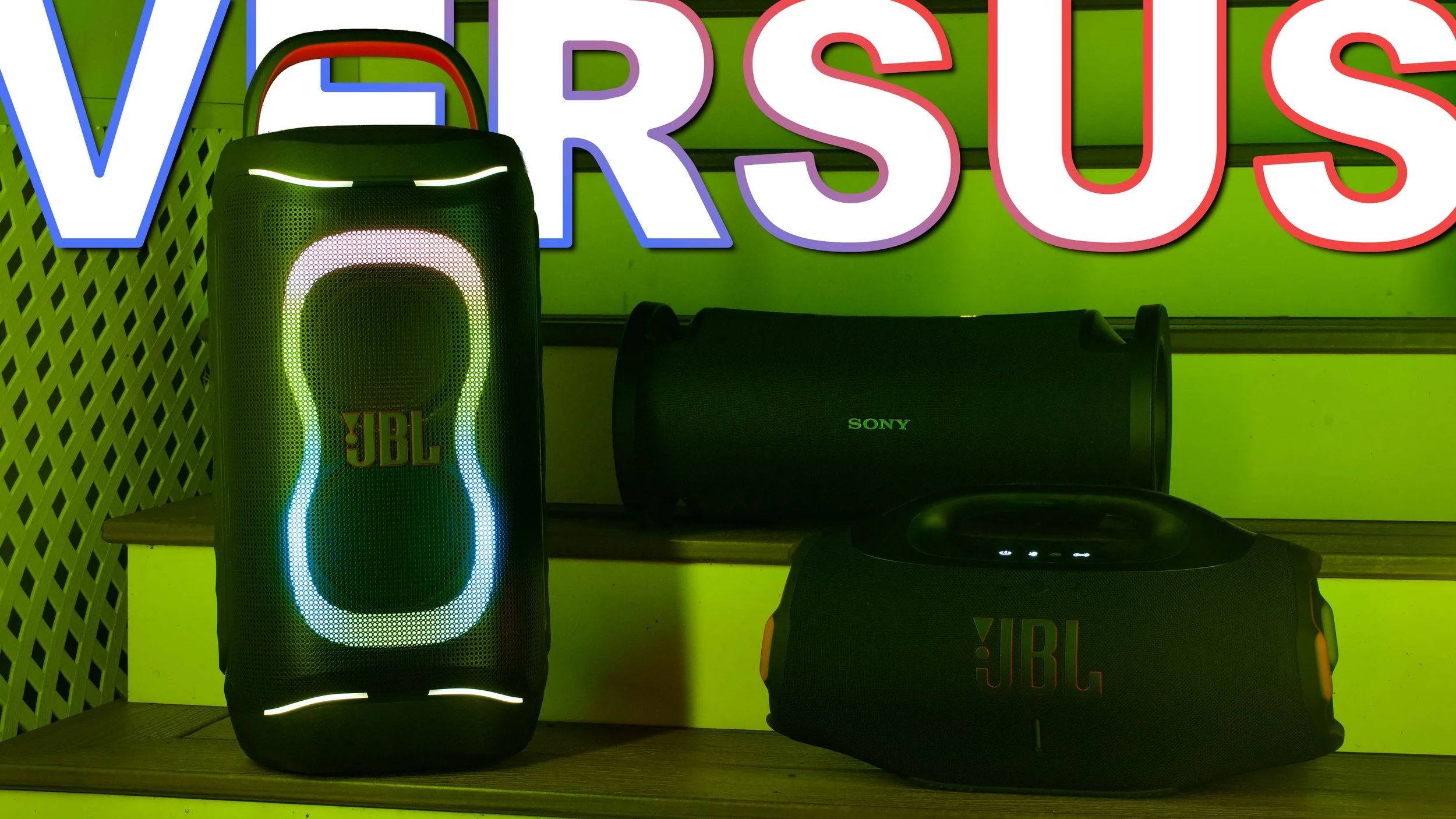
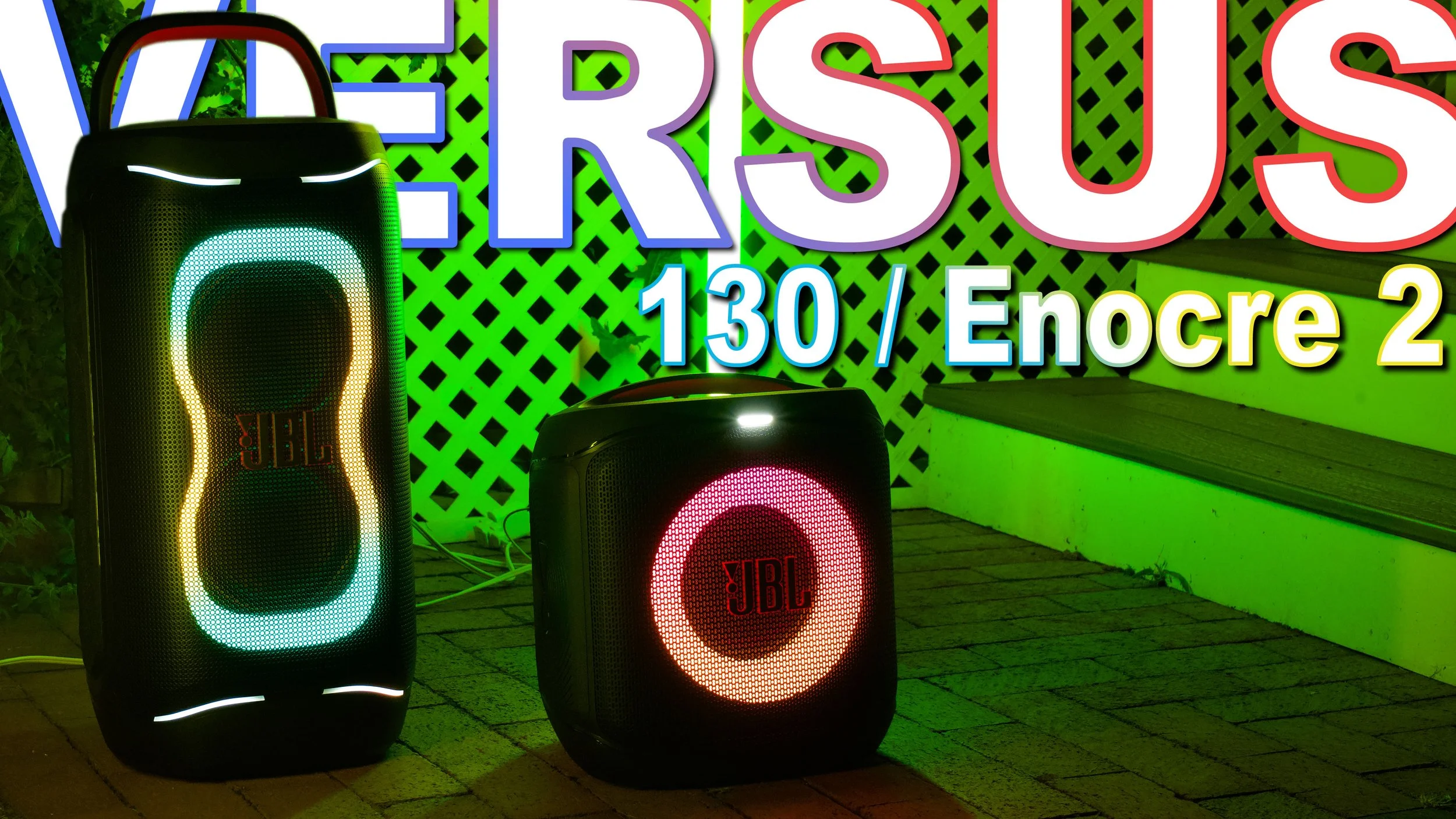
JBL Partybox 330 Review: Worth the Upgrade From the 320 or 310?
The JBL Partybox 330 arrived much sooner than expected. It brings some meaningful upgrades to the table, but it also introduces a few changes that might frustrate long-time fans.
Despite a few flaws, it remains one of the best large Bluetooth party speakers on the market. In this hands-on JBL Partybox 330 review, we will look at the design, features, battery life, and whether you should upgrade if you already own the JBL Partybox 320 or the older JBL Partybox 310.
JBL Partybox 330 Price and Availability
The JBL Partybox 330 launched with a retail price of $630. This marks a noticeable price increase compared to the original launch prices of both the JBL Partybox 320 and JBL Partybox 310.
However, JBL speakers frequently go on sale. If you want to grab one for your next event, check out the links below or tap the shopping button on this page to check current deals.
Design and Portability: Bigger Wheels, Heavier Box
At first glance, the Partybox 330 maintains the classic, rugged aesthetic of the lineup. However, the physical dimensions and weight have shifted slightly:
Weight: It is the heaviest in its class, weighing in at 38 pounds.
Size: It is technically a bit smaller in physical size than the 320 and 310 models.
Mobility: It features a built-in retractable handle and upgraded wheels.
Upgraded Wheels vs. Downgraded Handle
JBL gave the 330 larger, thicker wheels with deeper tread. This makes rolling the speaker across sidewalks, grass, or carpet much easier than it was with the 320 or 310.
Unfortunately, JBL kept the multi-stage telescope handle design from the 320. The older, spring-loaded handle found on the JBL Partybox 310 remains far superior because it is much quicker to deploy and pack away. Still, a single person can comfortably transport this speaker up and down stairs.
If you are hosting a larger event, there is a standard pole mount on the bottom to elevate the speaker, though its native floor presence is usually plenty loud.
Durability and Weather Resistance
The build quality remains highly consistent with previous generations:
Body: Made of a soft plastic shell that can scratch fairly easily.
Grille: Protected by a thin metal mesh front that is prone to denting if bumped hard.
Waterproofing: Features an IPX4 splashproof rating.
An IPX4 rating means it can survive light rain or poolside splashes, but you must ensure the rear port seals remain tightly closed.
The New Control Panel: A Step Backward?
The most controversial change in the JBL Partybox 330 vs JBL Partybox 320 comparison sits right on top of the speaker. JBL replaced the traditional control layout with a digital dial featuring an integrated screen.
While it looks modern, the user experience takes a major hit:
Menu Navigation: You can rotate the dial for volume and click it to play or pause. However, changing the light modes now requires clicking a menu button, cycling to the option, and then rotating the dial.
Missing Knobs: JBL completely removed the dedicated physical bass, treble, and echo knobs used to tune microphone audio directly from the speaker. While you can still adjust the physical mic gain on the back, all other audio mixing now requires opening the mobile app.
Added Failure Point: Placing a digital screen on top of a portable party speaker creates durability concerns. It risks cracking during transport or shorting out if water pools on the top panel. The older, tactile knobs were simply superior and more reliable.
On the bright side, JBL did add convenient physical attachment points to securely mount your Easy Sing wireless microphones directly to the chassis.
Light Show Upgrades and Auracast Support
JBL added 4 brand-new light patterns to the 330: Glitch, Gravity, Lightning, and Campfire.
While the animations are highly dynamic, the physical layout feels less clean than the JBL Partybox 320 review model. JBL removed the star-like LED accents found on the 320. It would have been better to retain the 320's faceplate and simply add ground-projecting floor lights—similar to the premium JBL Partybox Ultimate—to give the speaker a larger physical presence.
Expanding Your Setup
Because the 330 features Bluetooth Auracast, you can wirelessly sync it with JBL Partylight Sticks and Partylight Beams to build an immersive, unified light show.
As a reminder for owners comparing the JBL Partybox 330 vs JBL Partybox 310, the older 310 does not support Auracast. While standalone JBL light accessories can still sync to the 310 via their built-in microphones, they will not support a direct, latency-free digital connection.
Real-World Battery Life and Swappable Cells
The advertised battery life sits at 18 hours, matching the 320 and 310 models. However, that estimate only applies under perfect conditions: playing music at 50% volume with the lights and bass boost turned completely off.
In real-world testing, performance varies based on your party settings:
70% Volume (Bass Boost on "Deep" + Lights On): Expect roughly 7 hours of continuous playback.
Max Volume (100% Output): The battery will drain in about 4 hours.
The Advantage of Swappable Batteries
Like the 320, the Partybox 330 utilizes a hot-swappable battery design. If the battery dies, you can pop it out and slide a fresh one in to keep the music playing. This also means you don't have to throw away the speaker years down the road when the original battery loses its charge capacity.
The 330 uses the same standard JBL Battery 400 pack found in the Partybox 320 and the JBL Xtreme 4, making them completely interchangeable.
Note: The speaker only accommodates one battery slot at a time. It would have been excellent if JBL added a dual-battery slot—similar to the massive Partybox 720—to allow users to double their wireless runtime without pausing to manually swap packs.
Power Delivery and Charging
The speaker charges via a standard dual-barrel AC power port. Thankfully, JBL still includes the dedicated AC charging cable in the box. This is worth noting, as JBL has started omitting charging cables from certain speaker models depending on the global retail region.
If you are planning an all-night party, plugging the speaker directly into a wall outlet bypasses the battery constraints and provides a noticeable audio performance boost.
How to further optimize this post before publishing:
Internal Linking: If you have existing articles, link to your standalone JBL Partybox 320 Review or JBL Partybox 310 Review to keep readers on your site longer.
Affiliate Links: Swap the placeholders in the pricing section with your Amazon or affiliate store tracking links.
Visuals: Insert high-quality images of the new top dial screen, the upgraded wheel treads, and the rear battery compartment to break up the text.
So this is the JBL Partybox 330, and this speaker is here much sooner than I expected. Now the JBL Partybox 330 does have some meaningful upgrades… but it also has some changes that I don’t like so much. But regardless, the JBL Partybox 330 is still one of the best large box speakers that you can get and you can’t go wrong with this speaker. So lets see what the JBL Partybox 330 is all about and lets see if its worth upgrading if you already have the JBL Partybox 320 or the JBL Partybox 310.
Regarding pricing, the JBL Partybox 330 has a retail price of $630, which is a price increase from both the JBL partybox 320 and JBL Partybox 310 when they first came out. But nonetheless, I do expect this speaker to go on sale on a regular basis. So if you want to pick this speaker up it’ll be linked down below, or you can always press on the YouTube shopping button, and if you want to further support the channel then you can always watch some of the related videos in the description down below.
So first off there’s the design of this speaker. Now the JBL partybox 330 is a large sized speaker… but technically this speaker is a little smaller than the Partybox 320 and partybox 310. But they are all in the same league, and the 330 is actually the heaviest weighing in at 38 pounds. But just like before, the Partybox 330 does have a built in retractable handle and it also has built in wheels, so even though this speaker is big, you can easily roll it around. And the good thing about the 330 is that these wheels have gotten a little larger and they now have some tread, which is an upgrade from the 320, and these wheels are much larger and thicker than the wheels found on the 310… making them more useful on side walks, grass or carpet. But unfotuantly, the 330 still has the same multi stage handle like on the 320, personally I prefer the spring loaded handle on the 310 cause its just easier to take out and put away. But overall, the partybox 330 is a fairly portable box speaker thanks to its built in wheels and a single person should be able to hadenl this speaker if you’re going to be taking it up or down some stairs. And also, the Partybox 330 still has a stand mount on the bottom if you want to elevate this speaker if you’re hosting an event… but I honestly don’t feel that you need to.
But durability wise, things are pretty much the same, the 330 still have a mostly soft plastic body which can get scratched fairly easily, and it still has a thin metal grill on the front which can get dented fairly easily as well. And just like before, the 330 is rocking an IPX4 rating meaning that some water should be fine, but I would recommend that you’re still mindful about this speaker when around water and you do want to keep the ports on the back closed.
But here’s actually one of the first things that I don’t like about the Partybox 330, and that is the new control panel up top. You now have this dial with a built in screen, which looks nice… but the usability isn’t as good as the usability as the 320’s control panel. Now you can rotate this dial to adjust your volume, and you can press this dial to play or pause your music. But if you want to change your light mode, you have to click on the menu button and cycle to your lights and then rotate. But the biggest down grade here is that the 330 also got rid of the dedicated bass, treble and echo knobs that you could use to adjust your mic’s audio directly from the speaker. Now you can still adjust the gain… but to adjust your other settings, you’re going to have to open up the app. And then there’s just the whole issue of having a digital dial in the first place, I don’t like having this screen here cause now you run the risk of this screen breaking on you. Either something happen to it if the speaker gets wet, or maybe it get damaged while you’re transporting your speaker from one place to another. JBL just did that all car manufactures have been doing for years now, they added a screen for no reason and now the experience is objectively worse and you’ve added a new failure point… when the original knobs that you had before were just overall superior. But one good upgrade JBL did add here is that they added attachment points for your Easy sing mics if you choose to get them.
And then there’s the light feature on this speaker. Now the JBL Partybox 330 does have 4 new light modes in addition to the light modes that you’ll find on the Partybox 320. The new modes are Glitch, Gravity, lighting and camp fire… and just as always, JBL’s light features are very dynamic… but personally I think the JBL Partybox 320 like cleaner than the light feature on the Partybox 330. And also with the Partybox 330, they removed the stars that you’ll find on the 320. Personally, I think JBL should have just kept the same design as the Partybox 320 on the 330… and just add floor lights to the 330, similar to the floor lights that you’ll find on the Partybox Ultimate, and that would have given the 330 a much larger presences. But also, since the 330 is also using aura cast, as expected, you can build out your light feature if you want with JBL’s Partylight sticks and beam just like you can with the 320. And for context, since the 310 doesn’t have aura cast you can’t pair it up to JBL’s additional lights and get them to play in sync.. but regardless these lights have a built in mic so they’ll still sync up to your music.
Now when it comes to battery life, the 330 is the same as the 320 and 310. The 320 has an advertised battery life of 18 hours, however this advertise battery life of 18 hours is with this speaker playing at 50% volume which is an already really good volume for when youre hosting a backyard party or maybe a food truck… but that’s with the light feature turned off and with the bass boost feature turned off as well.
But real world use with the 330 playing at 70% volume, with the light feature turned on and with the bass boost set to deep… the 330 is good for about 7 hours which is good… and a max volume the 330 is good for about 4 hours of playback.
But just like with the 320, you can quickly and easily swap out the battery on the 330, which is good cause you can either get multiple batteries and keep the party going… or if you get to a point where your battery can no longer hold a charge, instead of having to buy a new speaker you can just buy a new battery, which is good for the overall life of your investment.
Now the 330 is also using the same 400 battery as the 320, so you can mix and match batteries between these two speakers, or you can also mix and match with an Xtreme 4 cause this speaker is also using the same battery… but keep in mind, even if you're going to use this speaker while its plugged in, the battery does have to be installed. But also, with the 330, you can only use one battery at a time… which is fine, but I think it would have been very cool if JBL made the battery a double slot like with the Partybox 720… so if you wanted you could get that second battery and instal it at the same time, so that way you can double your battery without having to swap out the battery. This is just me spitballing ideas for future features for JBL to add to their future products.
And when it comes to charging this speaker, it charges via a dual barrel AC port, and it also comes included with a charging cable… which I know sounds super basic, but I do have to point it out cause a lot of JBL’s newer speakers are no longer coming with charging cables depending on the model or even the region that youre in, which is wild. But with all of these speakers, if you were to use them while they are plugged in, you are going to get a performance boost out of them, they are going to get louder and they are going to have more bass.
Now when it comes to ports, for starters, just like the 320, this panel is illuminated, which is a nice touch, and its something that you don’t see all that often on other speaker brands out there. Now the 330 still has an audio jack so you can till use it with a wired connection, and it also has an audio out jack, which is great cause you can always daisy chain it up to any other speaker and get them to play in sync.
But a major big upgrade on the 330 is that it now has an optical port, so if you want you can always hook up this speaker to your tv and use it as a soundbar… making it more versatile. The only thing is, this speaker doesn’t come included with an optical cable, youre going to have to get your own. And another big upgrade on this speaker is that it now has a USB C port, which you can use as a wired connection as well, and you can also use it to charge your own devices and you can also play music off of it if you really want to.
And just like with the 320, the 330 still have dual 3 quarter inch inputs, so you can plug in two wired mics if you want for karaoke… or you can also plug in a guitar… however I do have to point out that unlike the Partybox 520… the 330 doesn’t have XRL combo jacks… so you can’t plug it into a mixed like you can with JBL’s 520 or 720… but you can still connect it to your mixer via the audio jack.
Now like I mentioned earlier, if you want to adjust the sound of your mic, youre now going to have to open up JBL’s app… which I do feel is a down grade cause with the 320 it has knobs directly on the speaker to adjust your bass, treble and echo. Now you can use a standard wired mic.. or if you want you can use a wireless mic system like JBLPartybox mix which plug into your quarter inch input.
Or if you want you can also use JBL’s easy mics which are also wireless, but the easy sing mics also give you an AI vocal removal tool, which is super usful for lots of karaoke… however if you use the AI Vocal removal tool on the easy sing mics, then you won’t be able to turn on aura cast and you won’t be able to turn on bass boost. But for those curious… yes you can use an easy sing mic and partybox mics at the same time, and have all four mics going.
Now if you were to use the Partybox Mics, you will be able to turn on aura cast and bass boost… however even if you have your speaker paired up to any other speaker… your mic audio will only come out of the speaker where your mic is connected.
But with the easy sing mic, you can still daisy chain your speaker up to any other speaker, so you’ll still be able to get 2 speakers playing in sync… and your mic audio will play out of both speakers as well… so just keep that small hack in mind. But I do want to point out that in order for your easy sing mics to work with your speaker… you do have to make sure that your USB C port is in the correct mode, I know, its a little annoying.
But now lets talk about sound, and well, all three of these speakers are the same. They all have dual frontward firing woofers with an exhaust port that shoots out the back and they all have dual frontward firing tweeters. Now there’s nothing wrong with this speaker set up, but I was really hoping that JBL would start to introduce at least one mid driver so that we could have better instrument separation in the mids like with the JBL Ultimate. But regardless with all of these speakers you do have their bass boost mode, and personally I think deep sounds best cause rumble does get a little overwhelming… and through JBL’s app you can go in and adjust their EQ as well. But now we’re going to jump into the sound test… now all of these speakers are playing it 75% volume with their stock EQ’s, they’re all playing with bass boost set to deep and they are all playing while unplugged
So when it comes to sound quality, both the JBL Partybox 330 and JBL Parybox 320 have better clarity in the mids than the JBL Partybox 310. But overall, all of these speakers aim for a balanced sound signature with well defined mids and strong bass when it needs to. However when it comes to sound pressure, I can’t help but feel that the JBL Partybox 320 is more potent than the 330. In this sound test you may have noticed that with the 320, its sounded louder than the 330. Now all of these speakers were playing at the same volume… but with the 330, in order for it to match the 320, you do need to increase its volume by a click. Now when it comes to max volume performance, all three of these speakers are in the same league, I think they are all going to be just fine for lets say a 20 person party and they could be good for event hosting. But with the Partybox 320, I can’t help but feel that it gets a little louder than the 330, now this performance difference isn’t huge, and you’ll only be able to tell if youre using these speakers back to back like I am… but regardless this is surprising to see. But just as you’d expect, both the 320 and 330 are noticeably louder than the 310. But like I mentioned earlier, with all of these speakers, if you were to use them while they are plugged in, you are going to get a performance boost out of them, they are going to get louder and they are going to have more bass… but still the 320 manages to slightly out perform the 330. But overall, the JBL Partybox 330 is a well balanced speaker that has strong definition in the mids and its has a lot of bass when it needs it, and you can always amplify its bass by simply placing it up against a wall. And this speaker is going to get more than loud enough for a 20 person party and its good for hosting medium sized events… However I can’t help but feel that the Partybox 320 manages to slightly out perform the Partybox 330 when it comes to max volume and sound pressure.
But finally lets talk about pair these speakers up with other speakers. Now if you have two of the exact same speakers then you can wirelessly pair them up and get them to play in left and right stereo mode, however they have to be two of the exact same speakers, you can not get a 320 and 330 and get them to play in stereo mode, they’ll only play in sync.
Now like I mentioned before, the 330 is using aura cast, just like with the 320… so you can always pair it up to any other JBL speaker that also using aura cast like lets say a JBL Partybox encore 2, or to a Partybox 120, 130, 320, 330, 520, 720 or to an ultimate and get them to all play in sync… or you can also pair them up to any of JBL’s smaller more portable speakers that are also using aura cast like lets say a JBL Boombox 4, Xtreme 5, Xtreme 4, Charge 6, flip 7, clip 5, a grip or Go 5 and get them to play in sync as well.
But unfortunately, with the Partybox 330, you can not pair it up to any of JBL’s older partybox speakers that are using TWS like lets say a Partybox 110, 310 or 710. Although the partybox 320 still has that backwards compatibly cause it still uses the JBL Partybox App, where as the 330 use the JBL One… JBL is great at creating useless fragmentation… but like I mentioned earlier, the 330 still has that audio out jack so you can always daisy chain it up with any other speaker and get them to play in sync if you have a spare audio cable.
So with all of that being said, the JBL partybox 330 has some important upgrades to it and its still one of the best box speakers that you can get, you can’t go wrong with this speaker. I like that they added a USB C port, I like that they add an optical port, and I like that the wheels are larger. But design wise, I think the Partybox 320 looks better, I also prefer the control panel on the 320 cause its easier to use and its more durable… cause the new screen on the 330 isn’t as straight forward to use and JBL introduced a new fault point. But the thing that really surprised me is that the 320 technically manages to slightly out perform the 330 when it comes to sound pressure. Now its not a huge deal, but it is worth mentioning. Overall, the JBL Partybox 330 is still great, but if you already have the Partybox 320 you don’t really need to upgrade… or if you already have the Partybox 320, there no need to feel any FOMO.