




JBL PartyBox 720 vs Sony ULT Tower 9: The Ultimate High-Output Showdown
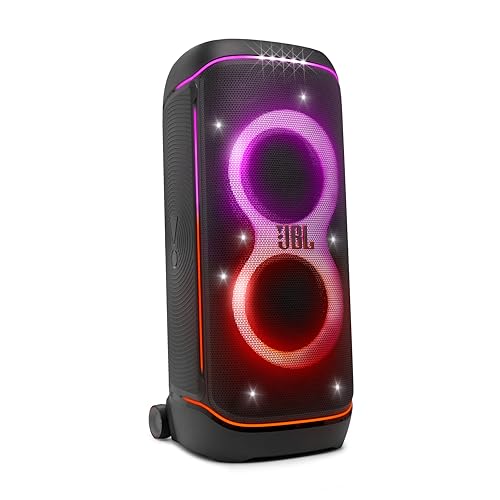
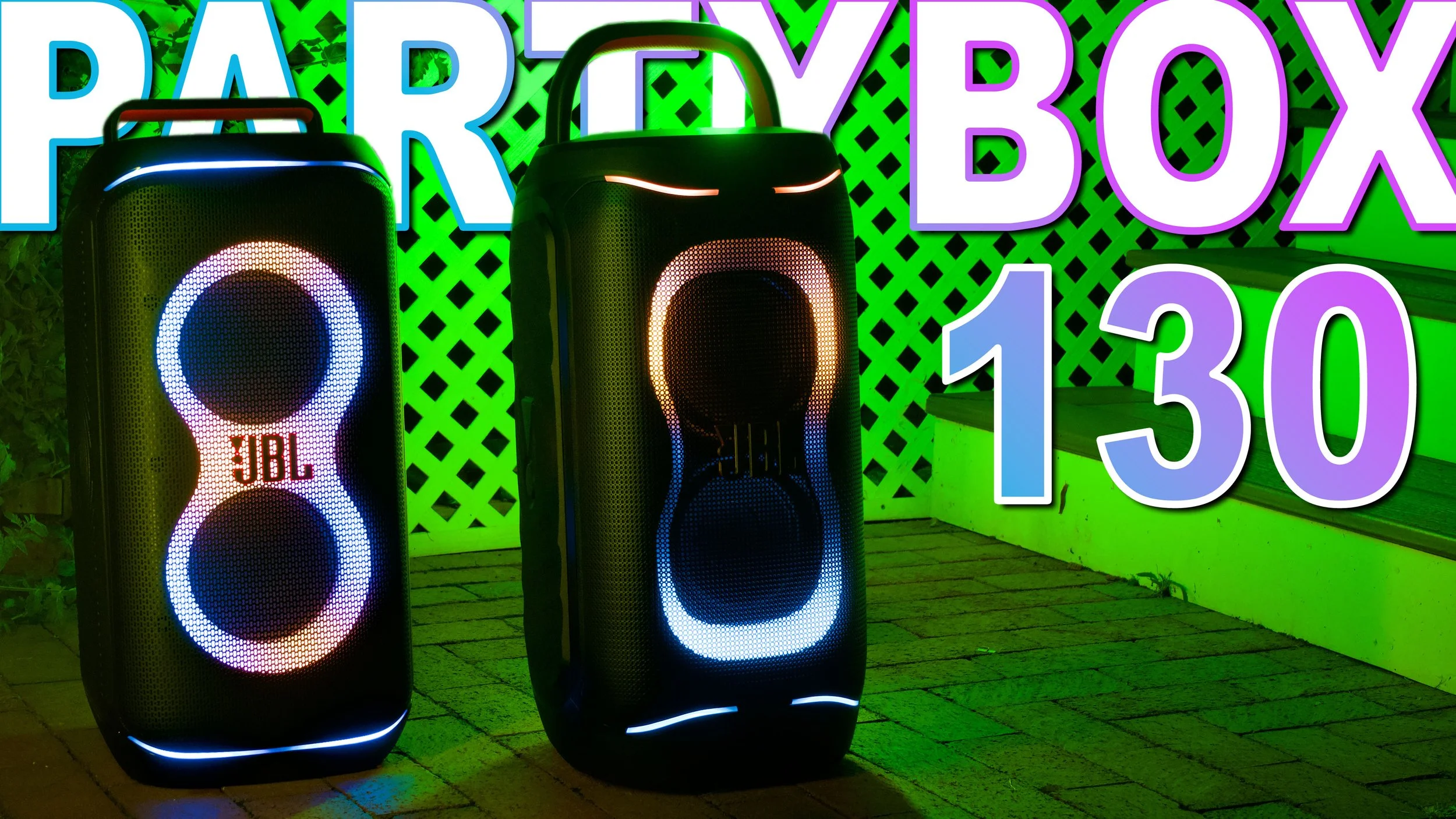
JBL has launched two incredible additions to its lineup: the JBL PartyBox 520, which serves as the perfect, non-overwhelming size for a solo operator, and the massive JBL PartyBox 720, which pushes boundaries to the absolute limit.
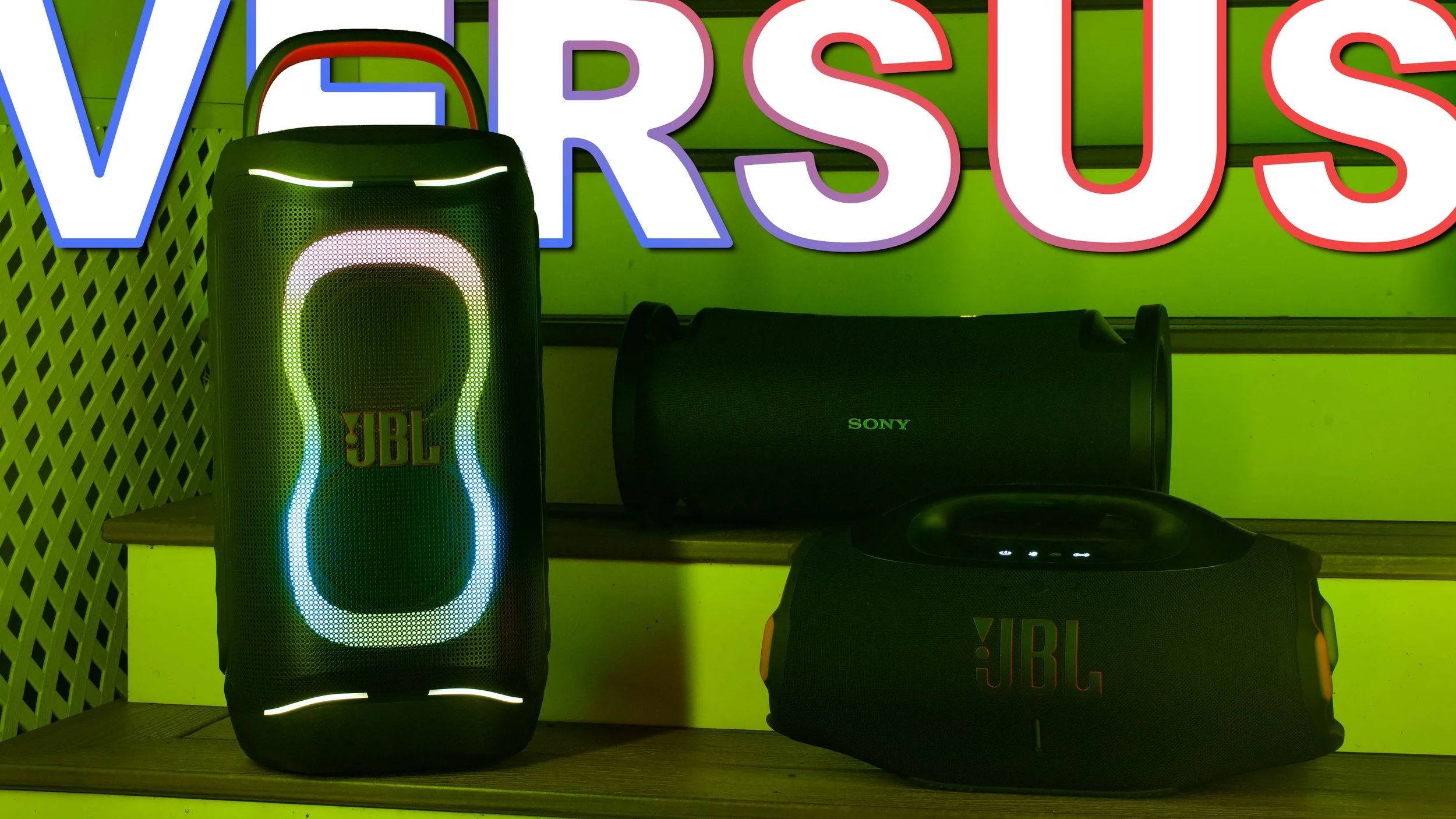
However, Sony enters the ring with the Sony ULT Tower 9. It targets the exact same high-power category as the PartyBox 720, but it introduces an acoustic weapon that the JBL is sorely missing: dedicated mid-range drivers.
These two massive sound towers look similar on paper but hide vast differences in pricing value, acoustic design, battery versatility, and hardware ports. In this head-to-head comparison, we will break down which giant speaker deserves a spot at your next massive event.
Price and Market Value
When shopping in the near-four-figure performance tier, the retail price gap is a major consideration:
Sony ULT Tower 9: Retails at $900. It delivers immense, room-shaking volume while saving you a couple of hundred dollars right off the bat.
JBL PartyBox 720: Commands a premium retail price of $1,100. While it is an expensive investment, it ensures you will never sit around wondering if you should have bought something larger.
Both models are known to go on promotional retail sales from time to time. If you want to check active availability or track current discounts, use the retail links or tap the shopping button below.
Design and Heavyweight Portability
Moving audio gear of this scale is a serious task, but both manufacturers include excellent built-in hardware to help you roll them around:
The Weight: The Sony ULT Tower 9 is slightly lighter, tipping the scales at 65 pounds. The JBL PartyBox 720 is a bit denser, weighing in at 69 pounds.
The Wheels: Both towers feature massive, ultra-chunky wheels. Unlike smaller party boxes with tiny wheels, both the 720 and the Tower 9 can easily roll through rugged environments like cracked parking lots, sidewalks, outdoor grass, or thick backyard carpets.
Maneuvering Safety Tip: While the wheels make flat-ground transport simple, you will absolutely need a second set of hands to load either of these massive enclosures into a car trunk or haul them up and down a flight of stairs to avoid damaging your walls, vehicle, or the speakers themselves.
Poolside Protection and Chassis Durability
The construction standards feature identical materials but offer separate weather-proofing protection:
Chassis Shell: Both speakers utilize rigid plastic body frames that can scratch fairly easily, paired with a thin front metal grille prone to minor denting.
JBL PartyBox 720 (Pool Safety King): Carries an official IPX4 water-resistant rating backed by thick rubber port seals. It features traditional physical buttons and dials on the top lid, meaning you can adjust tracks effortlessly even if your hands are dripping wet from swimming.
Sony ULT Tower 9: Carries no water resistance rating because it completely lacks a rubber shielding cover for its main power plug. It deploys a flat, touch-capacitive pad on top that looks sleek but can become unresponsive or misregister inputs if your fingers are wet from the pool. Keep the Sony far away from water.
Light Shows: Vibrant Pulsing vs. Floor Projection
If you want your high-output speaker to dual-purpose as club lighting, the visual styles differ completely:
Sony ULT Tower 9: Integrates an ambient 360-degree floor projection light show that casts a massive ring of light across the ground. It gives the tower a huge physical presence in dark environments.
JBL PartyBox 720: Projects a much more intricate, high-visibility, and dynamic front-facing light show. Because it supports Bluetooth Auracast, you can wirelessly link it to external JBL Partylight Sticks to expand your synchronized lighting array across an entire room or yard.
Battery Performance and the Dual Latch Ecosystem
The power management architecture splits these two systems entirely, giving JBL a massive structural advantage:
Sony ULT Tower 9 Standalone: At a 40% volume threshold (with lights disabled and the ULT bass filter active), it delivers a massive 20 hours of advertised battery life.
JBL PartyBox 720 Standalone: At the same 40% volume threshold (with lights and bass boost turned off), it tops out at 15 hours of advertised battery life.
Real-World High-Volume Testing: Cranking both speakers to 60% volume with their lights flashing and bass boosts active levels the playing field. Both systems deliver roughly 8 hours of continuous runtime, though the Sony plays slightly louder at that matching percentage. (Note: Pushing either speaker past 60% indoors will literally require hearing protection).
The Hot-Swappable Victory
The defining victory for the JBL PartyBox 720 is its quick-release, hot-swappable battery door. You can carry extra packs to keep a festival moving indefinitely. More importantly, it secures your $1,100 asset; when the batteries naturally degrade over years of heavy use, you only need to replace the cells rather than buy a whole new speaker.
                  [JBL 600 Battery Platform]
               /              │              \
  JBL PartyBox 720     JBL PartyBox 520     JBL Boombox 4
(Requires DUAL packs) (Requires SINGLE pack) (Requires SINGLE pack)
The unique engineering trait is that the PartyBox 720 runs on dual JBL 600 batteries simultaneously, allowing you to share power packs seamlessly with the PartyBox 520 or the rugged Boombox 4.
The Wall Power Boost: Both speakers charge via standard double-barrel AC ports. Bypassing the batteries by plugging either unit into a live wall outlet activates a high-voltage boost, making both speakers noticeably louder with significantly deeper bass response.
Back Input Panels and Professional DJ Ports
The rear layout reveals a massive hardware victory for mobile DJs, creators, and musicians:
Balanced DJ Inputs: The JBL PartyBox 720 features professional XLR combo jacks, allowing you to plug it directly into professional DJ mixers or balanced soundboards. The Sony ULT Tower 9 lacks XLR ports entirely, forcing you to link to external mixers via basic 3.5mm auxiliary jacks or wireless Bluetooth.
Modern Device USB: The JBL includes a modern USB-C port that charges phones, power-recharges wireless mic receiver capsules, and handles wired source audio. The Sony relies on an outdated USB-A port strictly meant for legacy USB thumb drives.
Universal Daisy Chaining: The JBL features a dedicated 3.5mm Audio Out jack, letting you link multiple speaker brands or sizes together in perfect sync using a standard audio cable. The Sony does not feature a wired link out option.
TV Home Theater Duty: The Sony ULT Tower 9 features a built-in optical audio input port, allowing you to connect it directly to your living room television to function as an incredibly loud home theater soundbar. The PartyBox 720 lacks a TV optical port.
Karaoke and Wireless Microphone Kits
Both systems natively accept dual 1/4" inputs for plugging in a guitar or two wired microphones, complete with a built-in vocal echo filter to smooth out off-key singing. However, the tuning control varies:
Audio Tuning: The JBL mobile app allows full manual control over your mic's tone, letting you equalize bass and treble lines. The Sony app does not support manual mic tone equalization.
Wireless Battery Disparities: If you utilize proprietary wireless microphone kits, JBL's microphones offer 20 hours of runtime, but their receiver capsule caps out at 12 hours. Sony's wireless microphone system provides a perfectly matched 20 hours of battery life on both the microphone and the receiver.
Wireless Bluetooth Connectivity
Wireless pairing is highly consistent across both platforms. Both speakers feature dual-device Bluetooth multi-point pairing, letting you and a friend simultaneously sync your smartphones to alternate tracks. Audio latency is non-existent, making both models completely safe for streaming videos or movies on your phone.
Acoustic Layouts and Real-World Sound Quality
The physical placement of internal drivers shapes how these giant cabinets project sound:
JBL PartyBox 720: Large-format dual front-firing woofers and dual front-firing tweeters.
Sony ULT Tower 9: Dual front-firing woofers, dual front tweeters, dual side-firing passive radiators, and dedicated front-firing mid-range drivers.
The Acoustic Reality Test
When testing both units side-by-side unplugged at a 60% volume baseline, their sound signatures split instantly:
Instrument Separation & Mids: The Sony ULT Tower 9 wins on absolute vocal clarity and soundstage openness. Because it utilizes dedicated mid-range drivers, vocal lines, guitars, and mid-range instrumentation remain beautifully separated and crisp. On the JBL 720, the mid-frequencies have to share duties across the woofers, which can leave the mid-range sounding slightly more recessed during complex tracks.
The Bass Response: Both speakers output an incredible amount of low-end rumble. The JBL PartyBox 720 excels at a warm, deep, traditional party box bass kick. The Sony ULT Tower 9 focuses on pure sound pressure, delivering an explosive, chest-thumping impact when its signature ULT mode is activated.
Final Verdict: Which High-Power Tower Is Right for You?
Choose the JBL PartyBox 720 if you prioritize off-the-grid pool parties, require physical top-panel buttons for wet hands, plan to connect directly to DJ mixers via professional XLR combo jacks, universally daisy chain multiple speakers via wired connections, and want a hot-swappable dual battery platform that shares power cells with the Boombox 4.
Choose the Sony ULT Tower 9 if you want to save $200 out of the gate, require pristine, open instrument separation via dedicated mid-range drivers, love the ambient aesthetic of 360-degree floor projection lighting, and want a built-in optical port to connect your sound tower directly to your TV.
Frequently Asked Questions (FAQ)
Do I need to buy two separate batteries if I purchase a replacement pack for the JBL PartyBox 720?
Yes. The high-power amplifier configuration inside the JBL PartyBox 720 is engineered to draw power from dual battery packs simultaneously to hit its maximum wireless loudness and bass limits. To completely refresh the battery compartment or carry a full secondary backup set, you will need to purchase two identical JBL 600 Battery cartridges.
Can I connect the Sony ULT Tower 9 to my TV to use for movies or gaming?
Yes. The Sony ULT Tower 9 includes a built-in digital optical input port on its rear connectivity panel. This allows you to hook the high-power tower directly to your television using a standard optical cable, transforming the speaker into an exceptionally loud, theater-grade soundbar system.
Why is the touch panel on the Sony ULT Tower 9 a disadvantage around water?
The Sony ULT Tower 9 features a flat touch-capacitive control surface on its top panel. Touch-capacitive surfaces rely on the natural electrical conductivity of human skin to register button inputs. If water splashes onto the panel or your fingers are wet from swimming, the water disrupts the touch sensor's electrical field, causing the buttons to misfire or fail to respond entirely.
Can I share battery cells between the JBL PartyBox 520 and the PartyBox 720?
Yes. Both the PartyBox 520 and the PartyBox 720 run on the standard JBL 600 Battery cell architecture, which is also shared by the rugged JBL Boombox 4 boombox speaker. The only physical difference is that the PartyBox 520 utilizes a single battery cartridge to fill its chamber, whereas the larger PartyBox 720 requires two cartridges installed at the same time.
Can I daisy chain the Sony ULT Tower 9 to another speaker using an audio patch cable?
No. The Sony ULT Tower 9 does not feature a dedicated 3.5mm or 1/4" line-level audio output jack on its input layout. Because it lacks a hardware wired pass-through output, you cannot run a standard audio patch cable from the Sony into another brand's speaker to link them in synchronized wired playback mode.