
⚡️🔋 Anker Prime Base: https://geni.us/GC-AnkerPrimeBase
Bose Lifestyle Ultra: https://geni.us/GC-BoseLifestyleUltra
Sony Bravia 8 M2: https://geni.us/GC-SonyBravia8M2TV
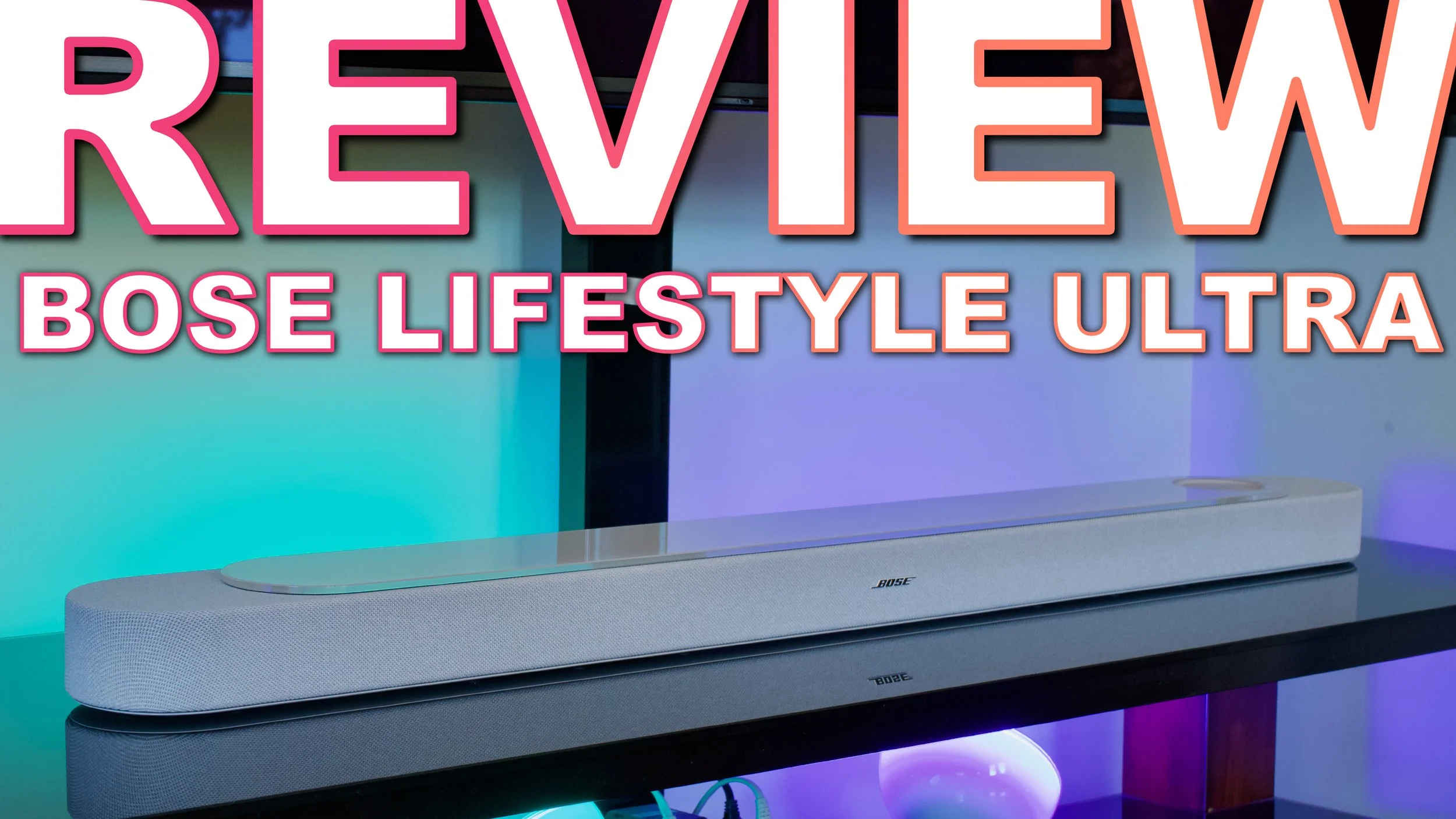
Bose Lifestyle Ultra Soundbar In-Depth Review: Powerful Bass, But Is It Worth the Premium Price?
Finding the right soundbar can completely transform your home entertainment experience. For years, the Bose Smart Soundbar has held the top spot as our go-to recommendation for medium-sized living rooms and bedrooms. However, Bose’s larger, flagship offerings have historically been difficult to recommend due to high price points, lean internal hardware, harsh tuning, and a lack of true upward-firing drivers for Dolby Atmos.
Enter the Bose Lifestyle Ultra Soundbar. Designed as a standalone, all-in-one home theater solution, the Lifestyle Ultra brings dedicated height channels and deep, built-in low-end without demanding floor space for an external subwoofer.
Below, we break down its hardware, sound profile, everyday quirks, and whether it holds its own against top rivals like the Sonos Arc Ultra and Sony Bravia Bar 9.
Elegant Hardware with a Few Real-World Flaws
At first glance, the Bose Lifestyle Ultra looks like a modern centerpiece. The glass top gives it an undeniably high-end aesthetic that stands out on any console. However, that design choice comes with functional trade-offs:
Distracting Reflections: Depending on your room's lighting and viewing angle, the glossy glass panel reflects the TV screen directly back at your eyes. A soundbar should blend seamlessly into your viewing experience, not bounce bright panel glare into your line of sight.
Stiff Rubber Feet and Bass Rattling: The Lifestyle Ultra pushes significant low-end punch on its own. Unfortunately, the rubber feet underneath the chassis are far too rigid. During heavy bass passages, the soundbar vibrates violently against hard media consoles, creating an audible rattle and shifting position unless placed on an isolating mat or soft runner.
Retro-Style Media Controls: Bose integrated iPod-style touch dial controls directly onto the unit. While touch controls on soundbars rarely replace your remote or phone, they offer a tactile, premium way to adjust playback directly on the unit.
Wall-Mounting Caveats: The unit plugs in via a standard two-prong AC port with no awkward power brick, keeping cable runs clean. However, the chassis weighs over 14 pounds, and Bose sells the wall-mounting kit separately—a disappointing omission at this price tier.
Ports, Connectivity, and the Ecosystem Trade-Off
The rear input bay covers the essentials, but misses key utility features
Single eARC Port: You get one HDMI eARC connection (cable included), but no HDMI-in passthrough. If your TV has limited HDMI 2.1 inputs for gaming consoles or streaming boxes, this soundbar will consume one of your high-bandwidth slots.
Hardwired Ethernet: An RJ45 Ethernet jack is onboard, though hardwiring your TV or primary streaming streamer typically handles streaming stability just as effectively.
Lack of TV Ecosystem Synergy: Unlike matching first-party setups (such as Sony's Acoustic Center Sync, Samsung's Q-Symphony, or LG's WOW Orchestra), Bose cannot integrate with your television's native interface. Premium TVs like the Sony Bravia 8 Mark 2 feature robust built-in sound systems that sit idle when connected to the Bose. Switching sound modes or engaging night mode requires digging into the Bose mobile app rather than your TV’s native quick menu.
Audio Architecture and Real-World Sound Performance
Under the grille, the Bose Lifestyle Ultra incorporates:
6 Total Active Drivers: 4 front-firing drivers handling direct channel delivery, paired with 2 upward-firing drivers delivering true physical Dolby Atmos spatial height.
Side-Firing Phase Drivers: Deliver side reflections to widen the perceived horizontal soundstage.
A Single Frontward Tweeter: While center dialogue clarity is acceptable, single-tweeter configurations struggle to deliver vocal presence alongside massive low-end output.
Soundstage and Low-End Punch
Compared to older Bose Smart Ultra soundbars, the Lifestyle Ultra creates a considerably wider and more open listening field. Spatial effects bounce effectively across the ceiling and walls, eliminating the boxy, narrow sound that plagued earlier generations.
Low-frequency reproduction is the headline feature here. The internal transducers produce deep, room-filling bass that easily eliminates the need for a separate subwoofer in apartments or mid-sized spaces.
Dialogue and Midrange Balance
Because the soundbar relies heavily on an aggressive low-end profile, the default factory tuning can overshadow dialogue. Vocals do not project with the same crispness found on the standard Bose Smart Soundbar. To get balanced performance, jump into the Bose Music app and boost your mid and treble EQ sliders by 2 to 4 notches to prevent the low-end from masking softer spoken passages.
Bose Lifestyle Ultra vs. Direct Competitors
FeatureBose Lifestyle UltraSonos Arc UltraSony Bravia Bar 9Driver Layout6 Drivers + Dual Phase Guides9.1.4 Spatial Architecture13 Drivers (Quad Woofers/Beams)Dolby AtmosUpward-Firing DriversSound Motion + Upward DriversUpward + Side Beam DriversHDMI PassthroughNo (Single eARC)No (Single eARC)Yes (4K 120Hz Passthrough)TV IntegrationApp/Universal Remote OnlyApp ControlSony Bravia Sync & Center SyncStand-Alone BassExcellentClass-Leading (Sound Motion)Balanced / Best with Sub
The Verdict: Who Is the Bose Lifestyle Ultra For?
The Bose Lifestyle Ultra is a capable all-in-one soundbar for buyers who want cinematic Dolby Atmos height channels and heavy bass without placing a standalone subwoofer on their floor. It sounds wider, fuller, and significantly less harsh than previous large Bose flagships.
However, justifying the price remains difficult. Competitors like the Sonos Arc Ultra offer more advanced driver arrays and cleaner vocal staging, while the Sony Bravia Bar 9 includes dedicated HDMI 2.1 passthrough and seamless menu integration with modern TVs. Furthermore, expanding the Bose with rear satellites and an external bass module quickly drives the total investment into dedicated component territory. If you already own a premium television from Sony, Samsung, or LG, sticking to that brand's companion soundbar will yield better value, direct on-screen controls, and synchronized center-channel performance.
Frequently Asked Questions
Does the Bose Lifestyle Ultra support true Dolby Atmos?
Yes. Unlike older Bose models that relied solely on virtualized spatial processing, the Lifestyle Ultra includes dedicated upward-firing physical drivers that bounce height channels off your ceiling for authentic Dolby Atmos playback.
Do I need to buy an external subwoofer for the Bose Lifestyle Ultra?
For most medium-to-large rooms, an external subwoofer is unnecessary. The Lifestyle Ultra features integrated bass drivers designed to deliver robust low frequencies independently. However, you can wirelessly pair an optional Bose Bass Module if you want extreme sub-bass extension.
How do I stop the Bose Lifestyle Ultra from rattling during bass-heavy movies?
Due to its stiff rubber feet and powerful internal bass output, placing the soundbar directly on hard wood or glass media consoles can cause vibrations. Placing a thin acoustic damping pad, silicone isolation feet, or a fabric runner directly beneath the soundbar eliminates surface contact noise.
Can the Bose Lifestyle Ultra pass through a 4K 120Hz gaming signal?
No. The Lifestyle Ultra features only a single HDMI eARC port to receive audio from your display. It does not have an HDMI-in passthrough port, meaning all gaming consoles and streaming devices must plug directly into your TV inputs.