
⚡️🔋 Anker Prime Base: https://geni.us/GC-AnkerPrimeBase
Bose Lifestyle Ultra: https://geni.us/GC-BoseLifestyleUltra
Sonos Arc Ultra: https://geni.us/GC-SonosArcUltra
Sony Bravia Bar 9: https://geni.us/GC-SonyBar9
Sony Bravia 8 M2: https://geni.us/GC-SonyBravia8M2TV
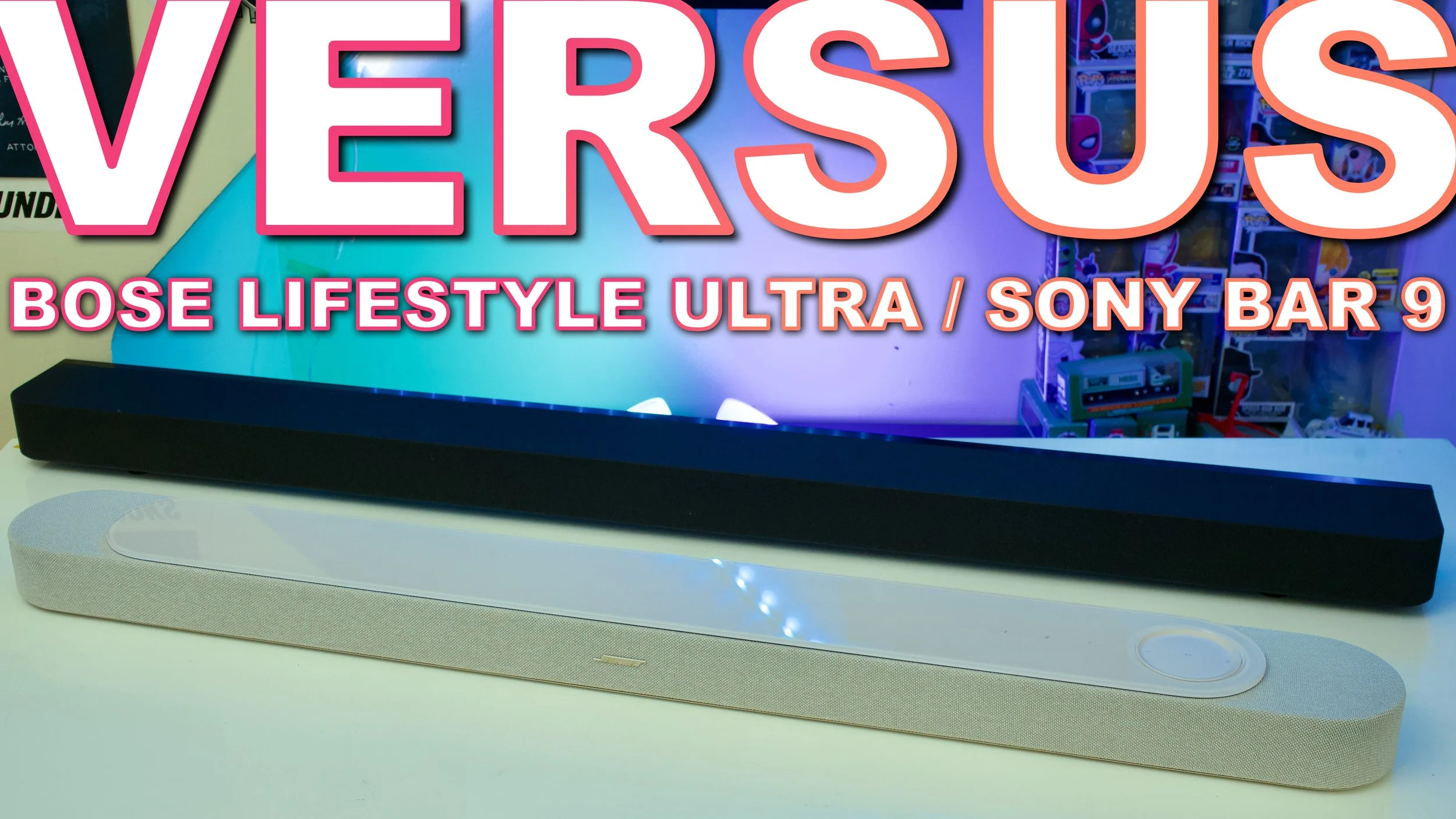
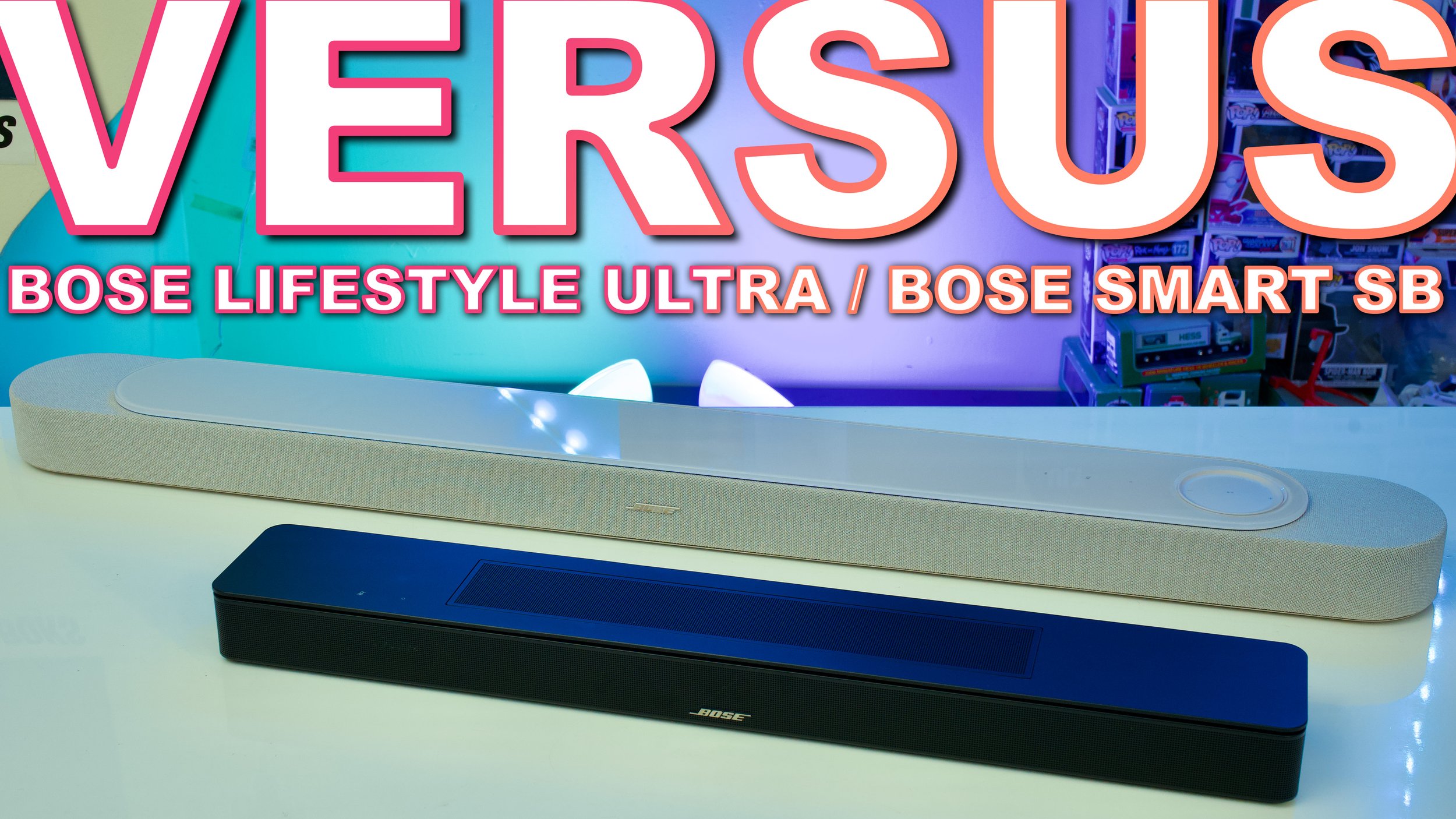
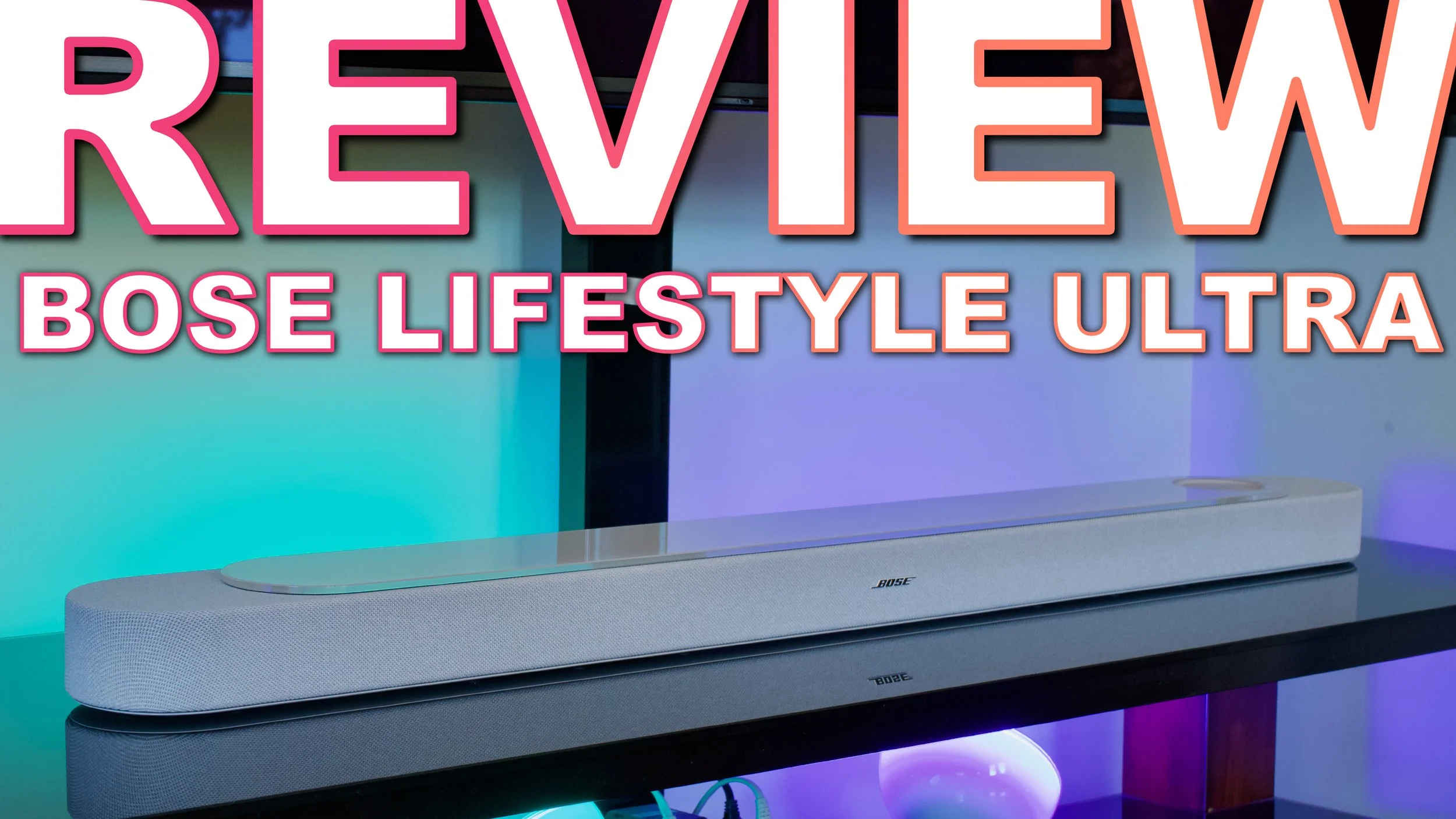
Flagship Soundbar Showdown: Bose Lifestyle Ultra vs. Sony Bravia Bar 9 vs. Sonos Arc Ultra
When you invest in a flagship television like a Sony Bravia 8 or 9, an LG G-Series OLED, or a high-end Samsung Neo QLED, the built-in sound is often the first thing that needs an upgrade. While high-tier TVs feature better integrated speakers and subwoofers than entry-level panels, dedicated home theater audio takes movie nights and gaming to a completely different level.
The Bose Lifestyle Ultra, Sonos Arc Ultra, and Sony Bravia Theater Bar 9 are three heavyweight contenders designed as standalone, all-in-one soundbars. Each promises deep internal bass without requiring a dedicated subwoofer footprint on your floor.
However, hardware architecture, television integration, and upgrade costs vary dramatically across these three flagships. Below is a complete head-to-head comparison to help you choose the right soundbar for your entertainment center.
Design and Build Quality: Aesthetics vs. Everyday Practicality
All three models occupy a significant footprint on your media console, but their design philosophies differ sharply:
Sony Bravia Theater Bar 9: Takes a clean, understated, minimalist route. It is engineered to sit quietly beneath your screen without drawing unwanted attention. Crucially, the Bar 9 includes a wall-mounting bracket right in the box.
Sonos Arc Ultra: Features a sculpted, modern aesthetic with a curved matte grille. It is built like designer furniture, but Sonos sells its wall-mount kit separately.
Bose Lifestyle Ultra: Opts for luxury styling with a tempered glass top panel. While sleek, this glass surface creates distracting screen reflections in dark rooms. More frustratingly, the Lifestyle Ultra features unusually stiff rubber feet; during bass-heavy sequences, the chassis vibrates violently enough to rattle and shift across flat media consoles unless placed on an isolating mat or fabric runner. Like Sonos, Bose sells its wall-mount kit as an optional add-on.
All three units feature internal power supplies, using standard two-prong AC cables without bulky external power bricks. Because each bar weighs well over 12 pounds, ensure your drywall anchors or wall studs are rated accordingly if mounting.
Connectivity & Ecosystem Integration: Why Matching Your TV Matters
FeatureBose Lifestyle UltraSonos Arc Ultra Sony Bravia Theater Bar 9 HDMI eARC Out Yes (Cable Included)Yes (Cable Included)Yes (Cable Included)HDMI-In Passthrough None (4K 120Hz / 8K Passthrough)Ethernet PortYesYes (Via adapter/network)Yes TV Speaker IntegrationNo (TV speakers muted)No (TV speakers muted)Yes (Acoustic Center Sync) On-Screen Menu Control No (App only)No (App only)Yes (Native Bravia Quick Settings) Wall Mount Included Sold Separately Sold Separately Yes
The HDMI Passthrough Advantage
The Sony Bar 9 is the only soundbar in this trio equipped with an HDMI-in passthrough port. This allows you to plug a PlayStation 5, Xbox Series X, or 4K Blu-ray player directly into the soundbar, passing full 4K 120Hz HDR video to the TV while saving a high-bandwidth input on your display. Both Bose and Sonos omit HDMI-in entirely, forcing you to use your TV’s native ports and return audio via eARC.
The Power of TV Ecosystem Synergy
If you own a premium TV, brand synergy provides tangible audio benefits:
Acoustic Center Sync: Pairing the Sony Bar 9 with a compatible Bravia TV allows the soundbar to recruit the television’s internal drivers as a dedicated center channel. This anchors dialogue directly to the screen and improves vocal presence.
Seamless Interface Controls: Adjusting EQ, Voice Zoom, or engaging Night Mode on the Bar 9 can be handled directly through the Sony TV remote and on-screen dashboard. With Bose and Sonos, your TV's built-in speakers go unused, and adjusting audio parameters requires pulling out your phone to open a mobile app.
Driver Layout and Hardware Architecture
A look under the grilles reveals significant differences in raw acoustic hardware:
Bose Lifestyle Ultra (6 Drivers Total): Employs 4 front-firing drivers, 2 upward-firing height drivers for Dolby Atmos, dual side phase guides, and a single front-facing tweeter.
Sonos Arc Ultra (14 Drivers Total): A 9.1.4-channel architecture featuring 7 silk-dome tweeters (front, side, and up-firing), 6 midwoofers, and Sonos’s proprietary dual-membrane Sound Motion woofer system.
Sony Bravia Theater Bar 9 (13 Drivers Total): A 5.0.2-channel configuration powered by 4 front woofers, 3 front-firing tweeters, 2 up-firing Atmos drivers, 2 side-firing drivers, and dual beamforming side tweeters.
Sound Test Results: Warm vs. Bright vs. Balanced
1. Bose Lifestyle Ultra: Heavy Bass, Narrow Midrange
The Bose leans heavily into a warm, low-end-forward sound signature. Its internal transducers produce powerful bass that shakes the room without an external sub. However, relying on a single front tweeter leaves dialogue sounding slightly recessed and veiled compared to the low-end energy. If you choose the Bose, plan to raise the mid and treble levels inside the Bose Music app to keep speech clear.
2. Sonos Arc Ultra: Analytical and Treble-Forward
The Arc Ultra delivers expansive horizontal separation and crisp dialogue clarity. However, Sonos’s signature tuning pushes highs aggressively, which can lead to a sharp or fatiguing top-end during loud action scenes or higher volume playback.
3. Sony Bravia Bar 9 + Bravia TV: The Most Balanced and Open Soundstage
When paired with a Bravia TV using Acoustic Center Sync, the Bar 9 delivers the most coherent audio performance. By offloading center dialogue cues to the television's speakers while the 13 soundbar drivers push dynamic surround and height channels, the soundstage feels noticeably taller, more open, and better balanced across volume levels.
Building Out a Full Surround System: The Hidden Cost
While all three units function as standalone systems, you can expand them over time with wireless subwoofers and rear satellite speakers.
If long-term modular expansion is your plan, TV brand ecosystems (Sony, LG, and Samsung) typically offer more frequent promotional bundles and accessible pricing tiers across their subwoofers and satellite kits. Building out a complete multi-speaker ecosystem with Bose or Sonos carries a steep price premium that quickly pushes total costs well past dedicated AV receiver territory.
Final Recommendation
Choose the Sony Bravia Bar 9 if you already own a Sony Bravia TV, want dedicated HDMI 2.1 passthrough for gaming consoles, and prefer a balanced soundstage with integrated on-screen settings.
Choose the Sonos Arc Ultra if you are already invested in the multi-room Sonos ecosystem and prioritize vocal articulation and advanced spatial height virtualization.
Choose the Bose Lifestyle Ultra if your top priority is deep, standalone bass without an external subwoofer, and you prefer a warm, cinematic low-end punch straight out of the box.
If you own a premium TV from Sony, Samsung, or LG, staying within your television manufacturer’s audio ecosystem remains the smartest move for usability, cost-effective surround expansion, and cohesive center-channel dialogue.
Frequently Asked Questions
Can I connect a gaming console directly to these soundbars?
Only the Sony Bravia Bar 9 includes an HDMI-in port that supports 4K 120Hz and 8K passthrough, letting you connect a PS5, Xbox Series X, or streaming box directly to the bar. The Bose Lifestyle Ultra and Sonos Arc Ultra only have a single HDMI eARC port, meaning all external sources must plug directly into your TV inputs.
What is Acoustic Center Sync, and why does it matter?
Acoustic Center Sync is a Sony feature that syncs the built-in speakers of compatible Bravia TVs with a Sony soundbar.Instead of muting your TV speakers, the TV and soundbar work together to anchor vocal dialogue directly to actors' faces on screen, producing a clearer and more direct center channel.
How do I stop the Bose Lifestyle Ultra from vibrating on my entertainment center?
Because the Lifestyle Ultra generates heavy internal bass and uses firm rubber feet, placing it directly on hard wood, metal, or glass consoles can cause severe rattling. Placing a soft acoustic runner, silicone damping pad, or thin isolation mat beneath the unit will absorb vibrations and eliminate surface buzz.
Do any of these soundbars include a wall-mounting bracket?
The Sony Bravia Theater Bar 9 includes wall-mounting hardware in the box. Both the Bose Lifestyle Ultra and Sonos Arc Ultra require purchasing proprietary wall-mount brackets separately.