
⚡️🔋 Anker Prime Base: https://geni.us/GC-AnkerPrimeBase
Bose Smart Soundbar: https://geni.us/GC-BoseSmartSB
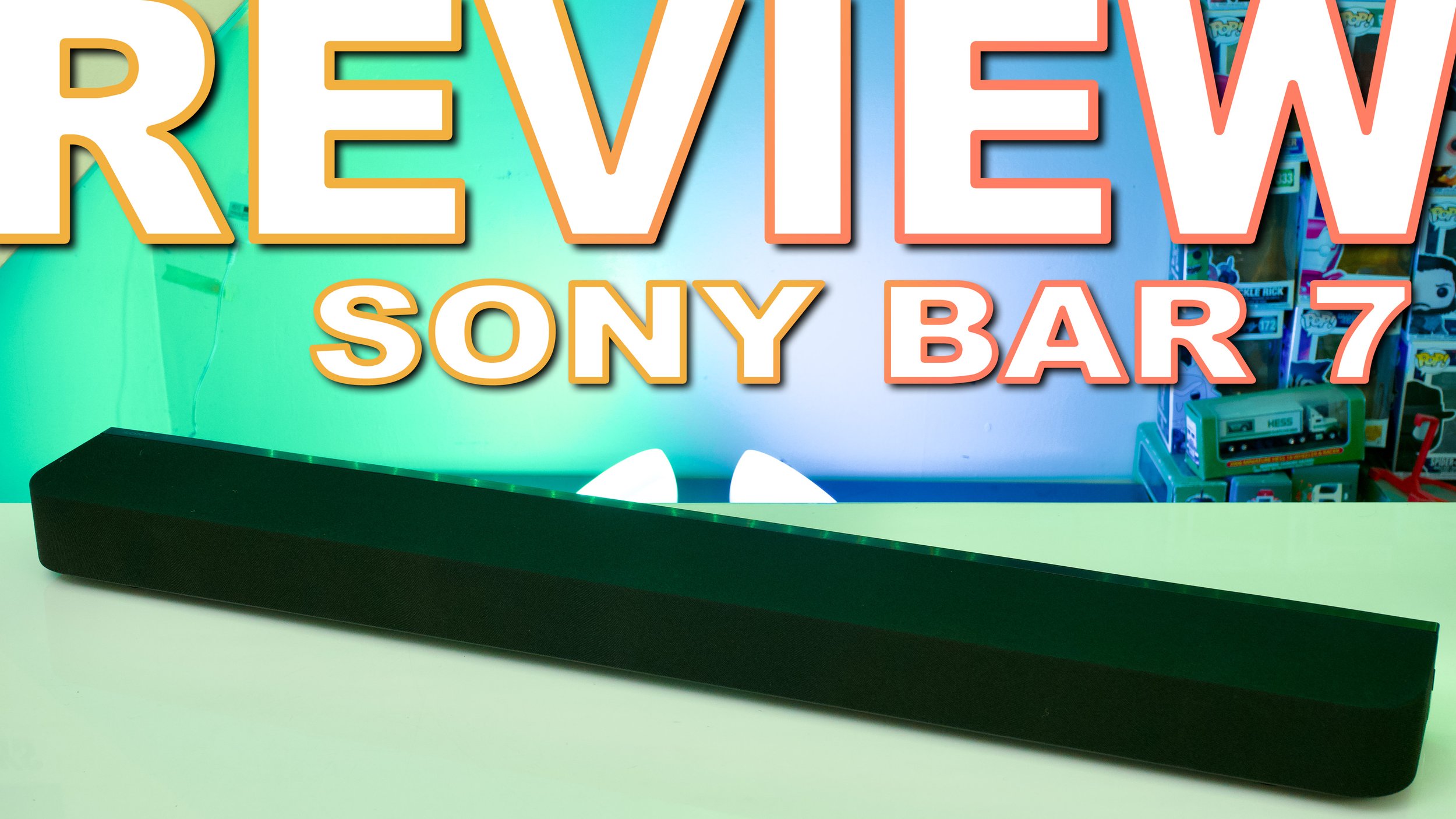
Sony Bar 7: https://geni.us/GC-SonyBraviaBar7
Sonos Beam Gen 2: https://geni.us/GC-SonosBeamGen2
Sony Bravia 8M2: https://geni.us/GC-SonyBravia8M2TV
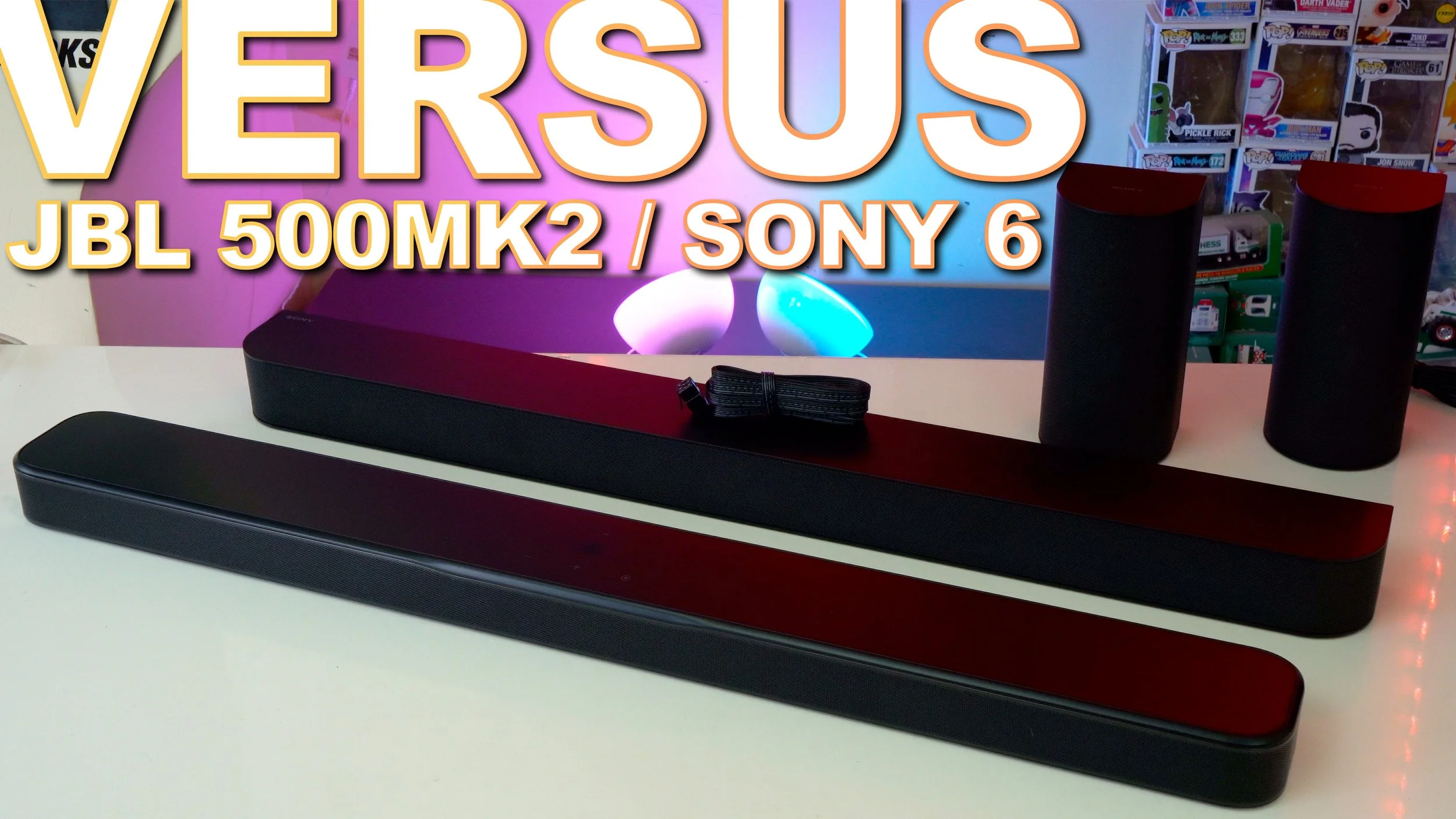
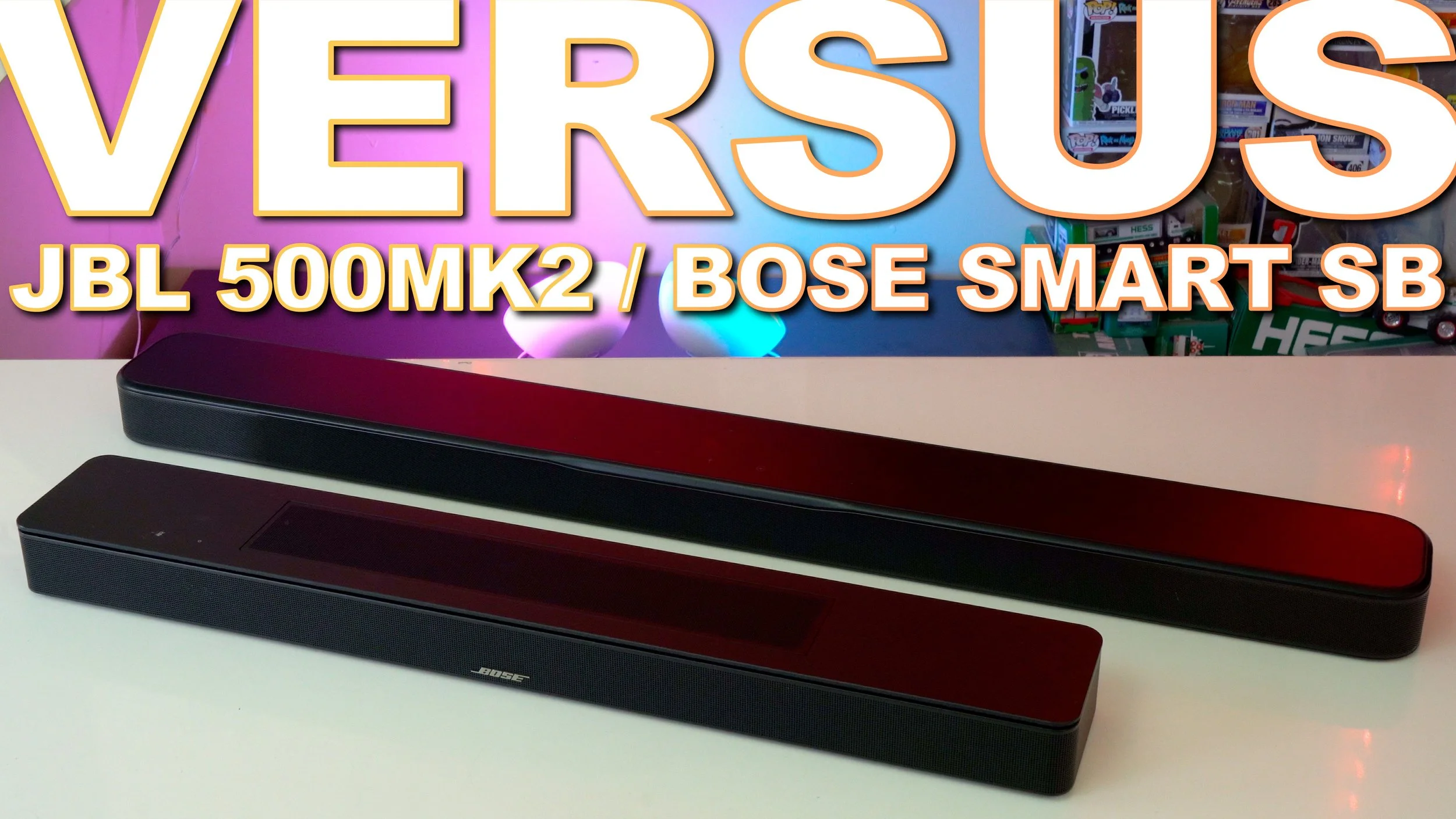
Finally Dethroned? Sony Bar 7 vs. Bose Smart Soundbar vs. Sonos Beam Gen 2
For years, the Bose Smart Soundbar has been one of the easiest recommendations to make if you wanted a compact, all-in-one soundbar for a bedroom or smaller living room. It is clean, reliable, and sounds great out of the box without needing an external subwoofer. But after nearly eight years of competing against Bose's dominance in this footprint, Sony has finally dropped a self-contained system that makes a serious run for the crown: the Sony Bar 7.
To see where it truly stands, we pitted the Sony Bar 7 directly against the Bose Smart Soundbar, while throwing the Sonos Beam Gen 2 into the mix as well.
All three of these soundbars are self-contained—meaning they produce their own bass and do not require an external subwoofer just to get usable low-end. While you can expand each system down the road with wireless rears and dedicated subwoofers, we tested all three strictly as standalone units. In this breakdown, we compare build quality, port selection, smart software, and standalone sound performance so you know which one actually belongs in your setup.
Quick Specs & Pricing Overview
Sony Bar 7 ($869): The most advanced hardware configuration of the trio. Features a 5.0.2 acoustic layout with physical up-firing height drivers, side beam drivers, dual subwoofers, dual passive radiators, an HDMI passthrough input, and bundled wall-mount hardware.
Bose Smart Soundbar ($549): The longtime favorite for compact spaces. Features an ultra-slim profile, physical up-firing drivers for true Dolby Atmos, side-firing speakers, and dual bass chambers. Wall mount sold separately.
Sonos Beam Gen 2 ($499): The most compact but chunkiest profile. Packs 4 front midwoofers, 1 center tweeter, 3 passive radiators, and an Ethernet jack. Lacks physical up-firing drivers, relying entirely on virtual processing for Dolby Atmos. Wall mount sold separately.
1. Design, Build, and Mounting Hardware
All three soundbars fit easily into a bedroom or small-to-medium living room setup, but their physical profiles and out-of-the-box value differ immediately:
Sleekness & Footprint: Both the Bose and Sony feature low, streamlined builds that tuck under displays without blocking your screen's bottom bezel. The Sonos Beam Gen 2 is noticeably chunkier and taller, giving it a boxier aesthetic.
Power Management: None of these three soundbars use bulky external power bricks. Each uses an internal power supply with a simple double-barrel AC power cable, making in-wall wiring and clean setups easy.
Wall Mounting Kits: If you plan to hang your soundbar under a wall-mounted TV, Sony includes the dedicated mounting brackets directly in the box. Bose and Sonos both make you purchase their proprietary wall-mounting brackets separately as paid add-ons.
2. Ports, Inputs, and Connectivity
Most compact soundbars skimp on inputs, but there is one standout difference when looking at their rear panels:
Sony Bar 7: Includes an HDMI eARC port (with an HDMI cable in the box) plus a dedicated HDMI In passthrough port. This lets you connect a PlayStation 5, gaming console, or 4K Blu-ray player straight into the bar, freeing up a port on your TV and simplifying your cable run.
Bose Smart Soundbar: Features a single HDMI eARC port and an optical audio input, meaning no HDMI passthrough.
Sonos Beam Gen 2: Stripped down to a single HDMI eARC port. While it does include an RJ-45 Ethernet port for hardwired home networks, hardwiring a soundbar is largely redundant when your smart TV is already connected.
3. App Control & TV Ecosystem Integration
All three soundbars connect via standard HDMI eARC to any television, but day-to-day controls depend heavily on the software ecosystem.
Sony Ecosystem Advantage: If you pair the Bar 7 with a Sony TV, you can adjust dialogue enhancement (Voice Zoom) and sub/bass levels directly inside the TV's native on-screen settings menu using your standard TV remote. If you don't have a Sony TV, the Sony BRAVIA Connect smartphone app is intuitive, stable, and features automatic room acoustic calibration.
Bose Music App: The Bose app offers decent control and room tuning, but it can occasionally feel sluggish or suffer minor software hiccups during initial network pairing.
Sonos App: Sonos app updates have frustrated many users over recent generations. While multi-room audio is its core claim to fame, navigating settings and dealing with app redesigns can feel unnecessarily tedious.
4. Driver Layout & True Dolby Atmos Hardware
How these companies engineer spatial height and surround cues reveals where the money actually goes:
Sonos Beam Gen 2: The simplest acoustic architecture here. It utilizes 1 front tweeter, 4 front-firing midwoofers, and 3 passive radiators (two front, one rear). It has zero up-firing drivers. While it decodes Dolby Atmos tracks, it relies strictly on digital psychoacoustic processing to fake overhead effects.
Bose Smart Soundbar: Houses 1 center tweeter, 2 side-firing beam drivers, and 2 dedicated up-firing drivers, backed by internal bass chambers. It delivers physical Dolby Atmos height cues, though its overall driver count feels a bit lean compared to the Sony.
Sony Bar 7: The most stacked package. It features 5 main channel drivers (front, dual sides, and dual upward-firing Atmos drivers), dual front tweeters, dual front subwoofers, and dual rear passive radiators.
5. Sound Quality: Head-to-Head Sound Test
Tested side-by-side at 75% volume as standalone units (and compared against high-end built-in TV audio like the Sony Bravia 8 Mark II), each soundbar brings a very distinct sound signature:
Bass Performance: In real-world listening, the Sonos Beam Gen 2 delivers the heaviest low-end punch out of the three. The Sony Bar 7 comes in second, offering more low-end impact and body than the Bose, but trailing the Sonos in sheer bass slam. The Bose Smart Soundbar has the leanest bass response; it is perfectly adequate for a quiet bedroom, but it lacks the rumble found on the other two.
Soundstage & Spatial Openness: The Sony Bar 7 runs away with this category. Thanks to its physical up-firing drivers and side-firing speakers, it produces the most expansive soundstage, distinct vertical height, and the best-defined left, center, and right separation. The Bose also offers true verticality and an open presentation, but its soundstage is narrower than the Sony. The Sonos Beam Gen 2 sounds the most closed-in and narrow; because all drivers fire forward, the audio feels confined to the center unless you artificially boost treble and loudness modes.
Max Volume Output: The Sony Bar 7 gets the loudest with the least strain, followed closely by the Bose. The Sonos Beam Gen 2 caps out at the lowest peak volume of the group.
Which Soundbar Should You Buy?
Buy the Sony Bar 7 ($869) if you want the best all-around soundstage, true upward-firing Dolby Atmos, an HDMI passthrough port, included wall-mount hardware, and seamless on-screen integration with Sony TVs. It is the most complete, mature standalone soundbar of the three.
Buy the Bose Smart Soundbar ($549) if you want true Dolby Atmos height channels in an ultra-compact, bedroom-friendly design at a significantly lower price point than the Sony. It sacrifices a bit of bass and channel width, but remains an exceptional value.
Skip the Sonos Beam Gen 2 ($499) unless you already own a house full of Sonos multi-room speakers or specifically want heavy bass in a compact box without an external sub. The complete lack of upward-firing drivers limits its spatial immersion, and the clunky app experience makes it hard to justify over Bose and Sony.
Frequently Asked Questions (FAQ)
Does the Sonos Beam Gen 2 have upward-firing speakers for Dolby Atmos?
No. The Sonos Beam Gen 2 uses front-facing drivers paired with digital signal processing to simulate height effects. Both the Sony Bar 7 and Bose Smart Soundbar feature physical, upward-firing drivers that bounce sound off your ceiling for true hardware-based Atmos cues.
Which of these compact soundbars has the deepest bass without a subwoofer?
The Sonos Beam Gen 2 produces the punchiest low-end slam out of the box. The Sony Bar 7 sits comfortably in the middle with balanced, capable bass from its dual internal subwoofers, while the Bose Smart Soundbar has the leanest low-end profile.
Can I connect a gaming console directly to these soundbars?
Only to the Sony Bar 7. The Bar 7 is the only model in this comparison with a dedicated HDMI In passthrough port. Both the Bose and Sonos models only include a single HDMI eARC connection, requiring all consoles and streaming devices to plug directly into your TV.
Do these soundbars include wall mounts in the box?
Only the Sony Bar 7 includes wall-mounting hardware in the box. Both Bose and Sonos sell their wall-mounting brackets separately as optional accessories.
Can these soundbars be expanded later with subwoofers and surround speakers?
Yes. All three brands offer modular wireless subwoofers and wireless rear surround speakers that seamlessly link to the main bar whenever you want to upgrade.